


UNDER THE SURFACE | Why the fuss over old vines?
17 July 2026
There’s a lot of love out there for old vines. So much so that last week bore witness to the official Old Vine Day. But what does such ancient vineyard material bring to the party and how are wine lovers meant to know what is truly old? Guy Woodward digs deep to get to the root of the issue…
The wine world is subject to a constant stream of buzzwords that come in and out of the vinous vernacular. Some are on the more nebulous side. Recent years have seen a thirst for minerality, energy and – most recently (and nebulously) – ‘verticality’ in wine. Then there is the infuriatingly vague notion of sustainability, a quality that has become so vague as to be almost meaningless. And, of course, in similar fashion, there is the amorphous category of natural wines. Other terms are more clearly defined – biodynamics exists, even if the jury is out on its effectiveness, while the more niche winemaking pursuits of whole-bunch fermentation or skin-contact vinification also have their devotees.
Many of these trends can be difficult for consumers to penetrate or to quantify in terms of their ultimate impact on what is inside the bottle. And few are as ambiguous and abused, yet potentially significant, as the growing debate around old-vine wines.
It is an irony that most old vines are to be found in the so-called New World
Old grapevines are understandably celebrated in all corners of the wine world, and for more than just their spectacularly imposing appearance. Part of this is simple science. Old vines have more established roots, which dig deeper to seek nutrients and water, in the process working harder to deliver goodness to the grapes. They also generate a smaller yield, thereby concentrating those efforts into fewer bunches. As a result, the fruit is generally subject to more intense concentration and stronger character, and, in the right conditions, the eventual wine boasts greater complexity, balance and a more clearly defined sense of place.
There are other advantages too. Old vines are more resilient, and hence adept at dealing with extremes of climate, notably heatwaves and droughts, as well as pests and disease. There is an argument too that, because venerable vines have adapted to their environment over many decades, they enjoy a greater consistency – both in terms of volume but also style. And then there are environmental factors at play, with the vines’ resilience meaning they tend to need little by way of irrigation or chemical inputs in order to flourish.
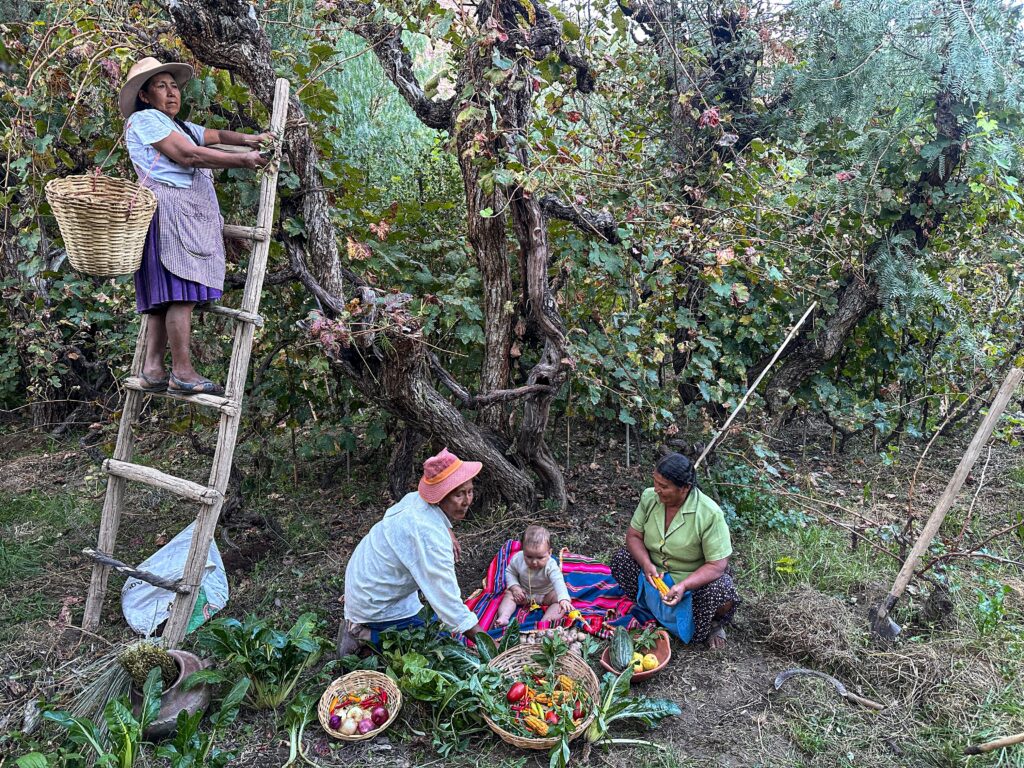
Finally, of course, there is the heritage element. Old vines often harness grape varieties, clonal diversity or viticultural techniques that might otherwise have been lost. Such clonal material can be propagated for adoption in new plantings, while preservation also helps safeguard specific regional identities and flavour profiles that cannot easily (or quickly) be recreated. Perhaps above all, these ancient sites are living pieces of wine history, representing generations of viticultural know-how. And just as we take pleasure and wonder from the durability of a magnificent old tree, so too there is something to be celebrated in a gnarly old grapevine.
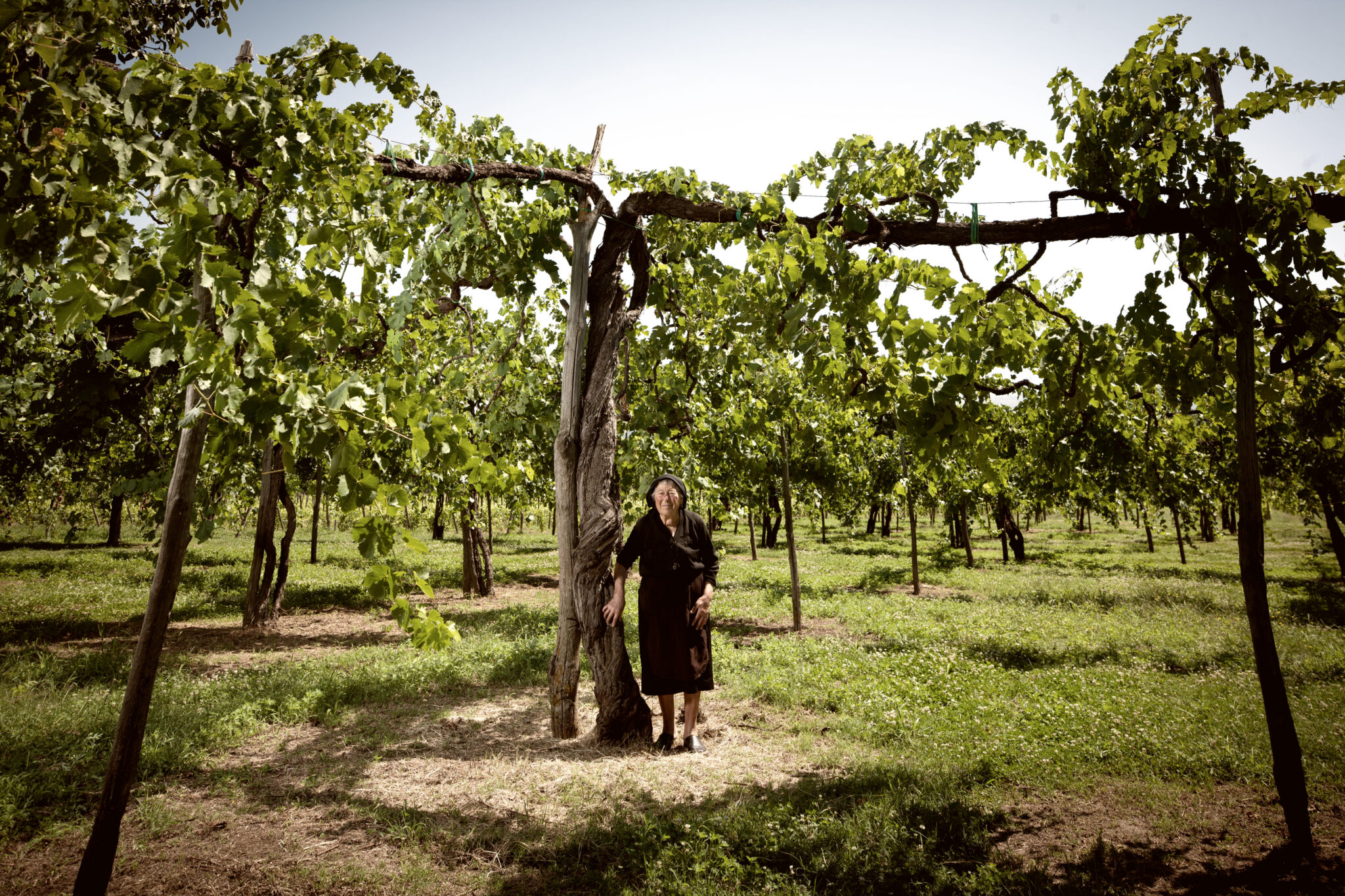
Maintaining such treasures is not easy, however. Old vines require diligent husbandry and a skilled workforce. And since they produce fewer grapes, they are often less profitable. As a consequence, many growers face difficult decisions as to whether to keep nurturing them or to replace them with younger, more productive plantings – a situation often not helped by government vine-pull incentives. ‘Governments need to stop funding rip-out schemes that replace older vines with young vines that need irrigating for many years,’ says the Old Vine Registry, pointing out that such irrigation systems may not be viable in the face of water shortages in the future.
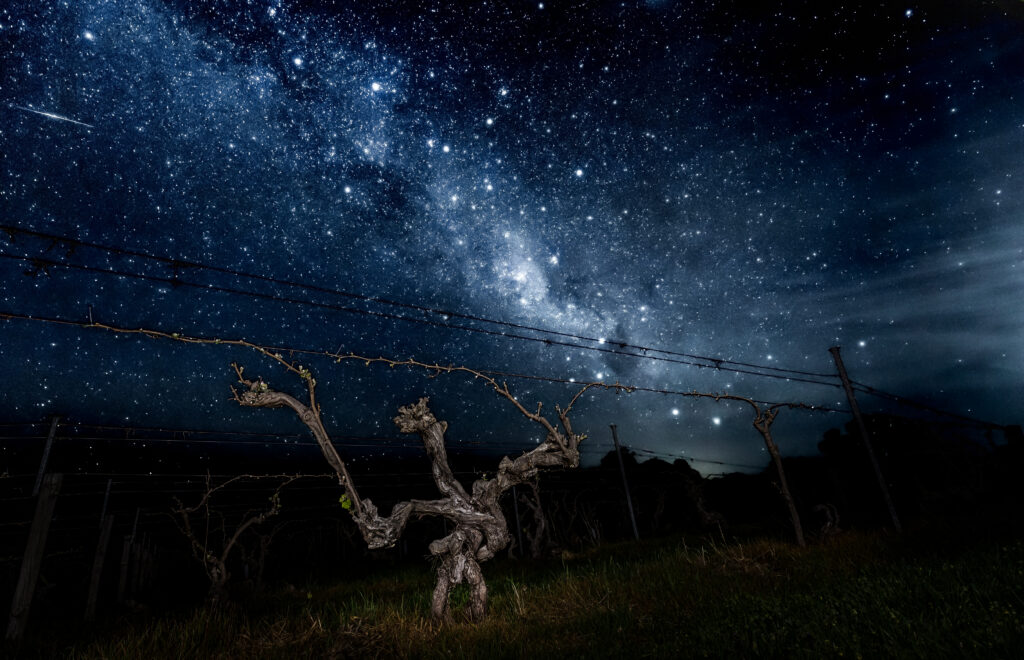
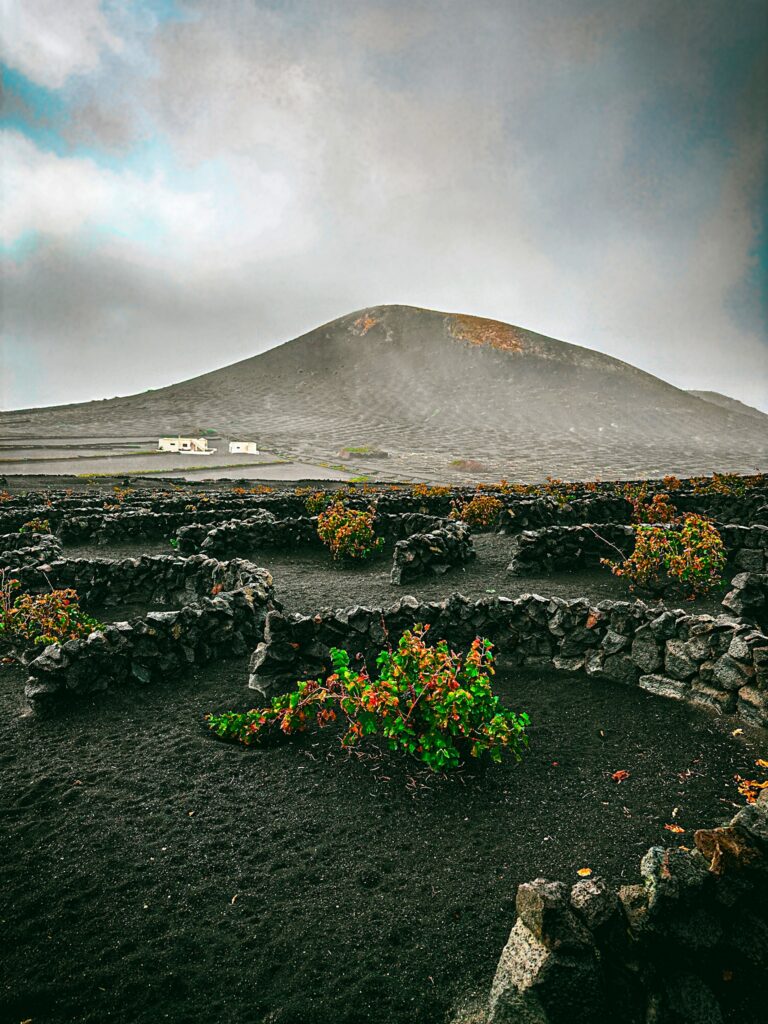
The Old Vine Registry is a grassroots initiative inspired by wine critic Jancis Robinson MW, and home to the world’s first crowdsourced database of living historic vineyards (currently at over 3,000 vineyards in 35 countries and counting). It is part of a network of projects dedicated to championing and preserving old vines. There is even a photography competition for the best shots of old vines (several of the shortlisted and winning entries are featured here), the results of which were announced on the official Old Vine Day, commemorated last week, on July 15.
Both are the brainchilds of The Old Vine Conference, a not-for-profit organisation dedicated to ‘preserving and promoting old vines by connecting, educating and inspiring the wine industry through research, events, partnerships, tastings and field trips’. As such, it is very much preaching to the church. Its ultimate mission, however, speaks to a more far-reaching aim – to press its network into service to create a new category of wine made from heritage vineyards. Currently, consumers are faced with countless bottles boasting their ‘Old Vine’ or ‘Vieilles Vignes’ credentials. In reality, such terms have no legal definition and are close to meaningless. It is, of course, difficult to impose legislation over such a niche area across different regions. Nonetheless, there are growing calls for the industry to self-regulate by adopting guidelines for such criteria.
A rough outline has emerged. The Old Vine Registry has adopted the official definition used by the OIV (the Organisation Internationale de la Vigne et du Vin, which develops scientific, technical and regulatory standards relating to winemaking, labelling and trade, and whose recommendations many national governments incorporate into their own regulations). The OIV stipulates that, in order to be designated an ‘Old Vine’ site, at least 85% of a given vineyard must be at least 35 years old (or, if the vines have been grafted, those grafts must have been in place for 35 years). Such an age requirement matches the criteria established by several related organisations, including South Africa’s Old Vine Project and Barossa Valley’s Old Vine Charter.
The Barossa Old Vine Charter, set up in 2009, goes even further in adopting an additional framework to reflect the region’s high concentration of continuously productive vines. It defines Old Vine sites as being 35 years or older; Survivor Vine as 70 years+; Centenarian Vine as 100 years+; and Ancestor Vine as 125 years+. As with so many wine classifications, one has to wonder quite how much of this detail will penetrate the consciousness of consumers – particularly when it is not legally enforced. Yet Barossa, being home to thousands of hectares of vines planted in the 19th century, is understandably keen to trumpet such heritage.
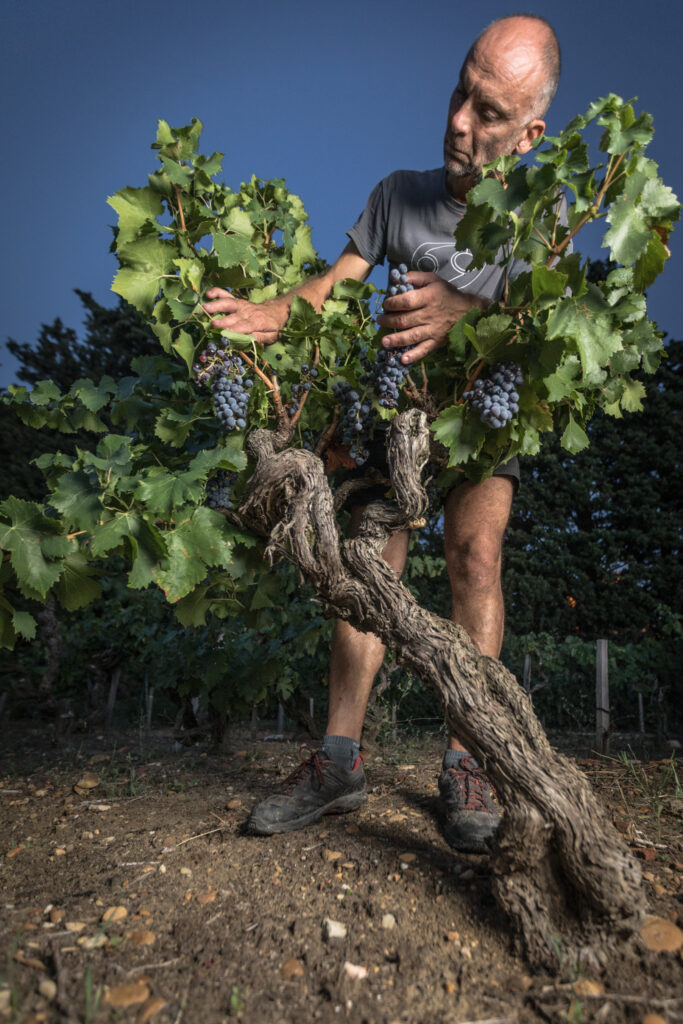
It is an irony that most old vines are to be found in the so-called New World. South Africa has become a leader in preserving historic vineyards through the Old Vine Project. Many vineyards planted during the 1960s and earlier are now recognised and promoted, notably old bush vines in areas such as Swartland. In California, Lodi has one of America’s highest concentrations of old vineyards, particularly Zinfandel, with many sites planted in the late 1800s and several still producing today. Mendoza, meanwhile, contains significant plantings of old Malbec and Criolla vines, many up to 100 years old.
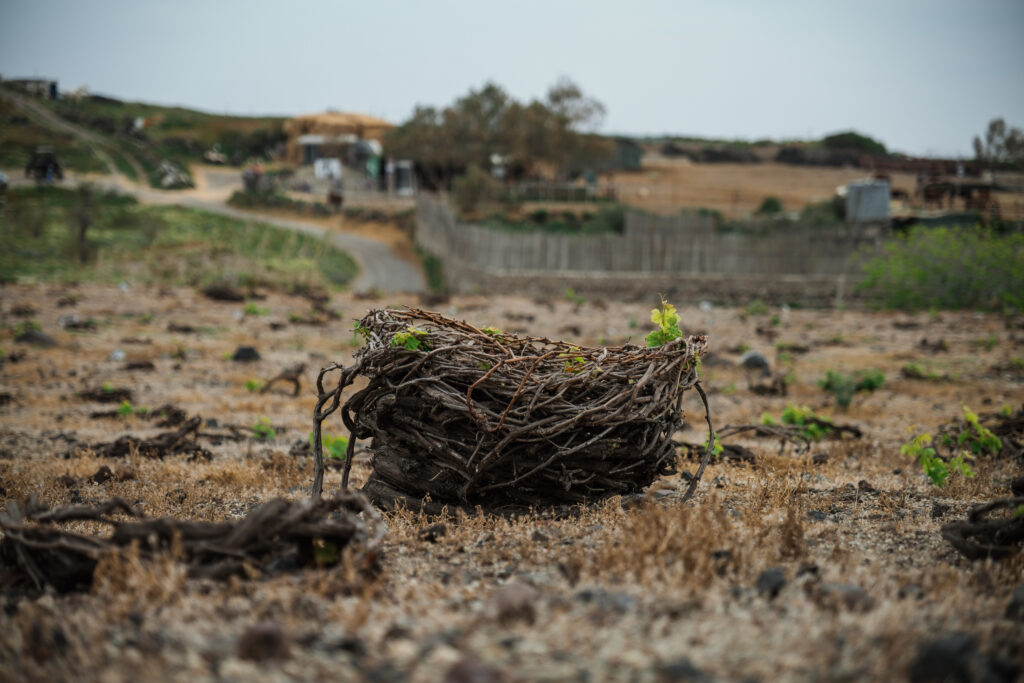
With most European wine regions ravaged by the devastating phylloxera epidemic of the late 1800s, most vines have since been grafted onto US rootstock. Nonetheless, there are some regions where the regrafted vines have survived since close to that era. Priorat’s steep slate hillsides are home to several near-century-old plots, whose low yields are responsible for the region’s powerful, concentrated Garnacha and Carignan. Many of the Douro’s similarly vertiginous vineyards were planted decades ago as traditional field blends, with dozens of different varieties growing together in the same plot. And Santorini’s volcanic soils, in which phylloxera cannot survive, have provided a safe haven for the distinctive, basket-trained Assyrtiko vines for a century or more (Etna’s similar terroir also tends to provide a natural defence to the louse).
Not so France, whose centuries-old sites were almost completely replanted after phylloxera. That hasn’t stopped some people from trying to counter the threat, of course – most notably Loïc Pasquet, with his notorious Liber Pater wine. In an effort to recreate how Bordeaux would have tasted pre-Phylloxera, Pasquet planted ungrafted vines of old varieties such as Castets and Tarnay on their own rootstock in the Graves region of Bordeaux, all at high density in order to force small yields and intense flavours. The vines were all new, of course, but that didn’t stop him charging £30,000 a bottle on account of the scarcity involved. Given the choice between that and a Barossa ‘ancestor’ Shiraz from vines planted in the 1860s, I know which one I’d be choosing…
Not a 67 Pall Mall Member? Sign up to receive a monthly edit of The Back Label by filling out your details below

WHAT
I’VE
LEARNED
Ken Forrester, South Africa
ON
THE
ROAD
Martijn Brouwer in Verona

TWO
MINUTES
WITH
Armand de Maigret, Screaming Eagle