


WHAT I’VE LEARNED | Ed Carr, House of Arras
15 October 2026
Ed Carr is chief winemaker at Tasmanian sparkling wine specialist House of Arras, and widely heralded as Australia’s – indeed arguably the southern hemisphere’s – foremost exponent of the discipline. He was named Sparkling Winemaker of the Year at this year’s International Wine Challenge – the second time he has won the award and the only non-European winemaker ever to do so
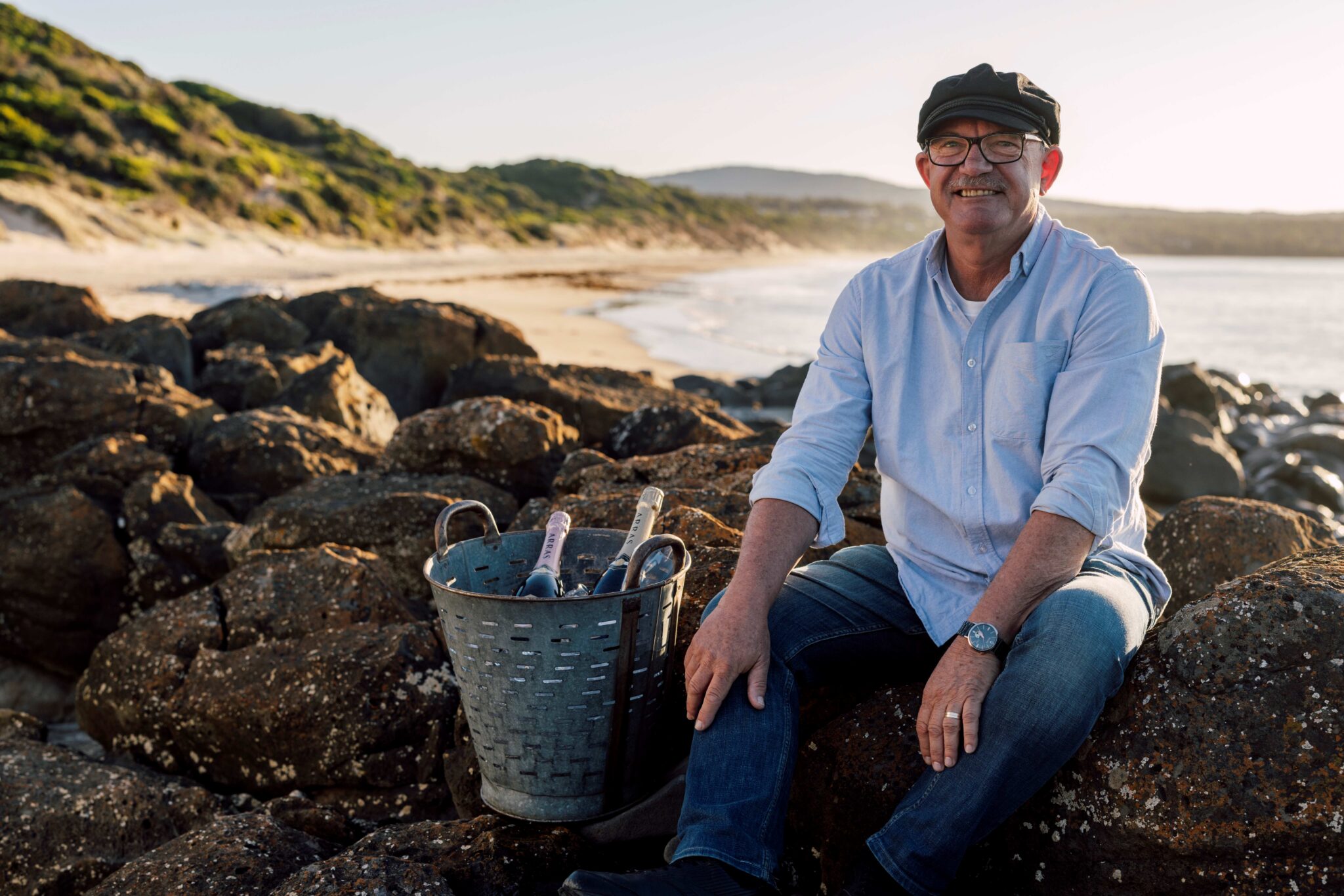
‘I was born in England, in Great Yarmouth, on the Norfolk coast, the youngest of four. We left England for Australia in 1964, when I was eight. I never really asked why – it was just land of opportunity stuff. I do remember my parents were thinking of going to Canada, but at the last minute they said, “We’re not going to another cold country – there’s sunshine Down Under.”’
‘Wine wasn’t a thing in our household. My mum would have a box of sweet Moselle, as it was called, in the fridge, which would last her a month, and my dad had the odd glass of Port. As a young adult, I was a beer and bourbon man.’
‘I did a tertiary-level chemistry and microbiology degree, and most of my peer group ended up in food processing of some sort, in packaged or canned foods. I started off in the dairy industry, and envisaged a career in a laboratory wearing a white coat, testing milk. It sounds pretty dull now that I think about it…’
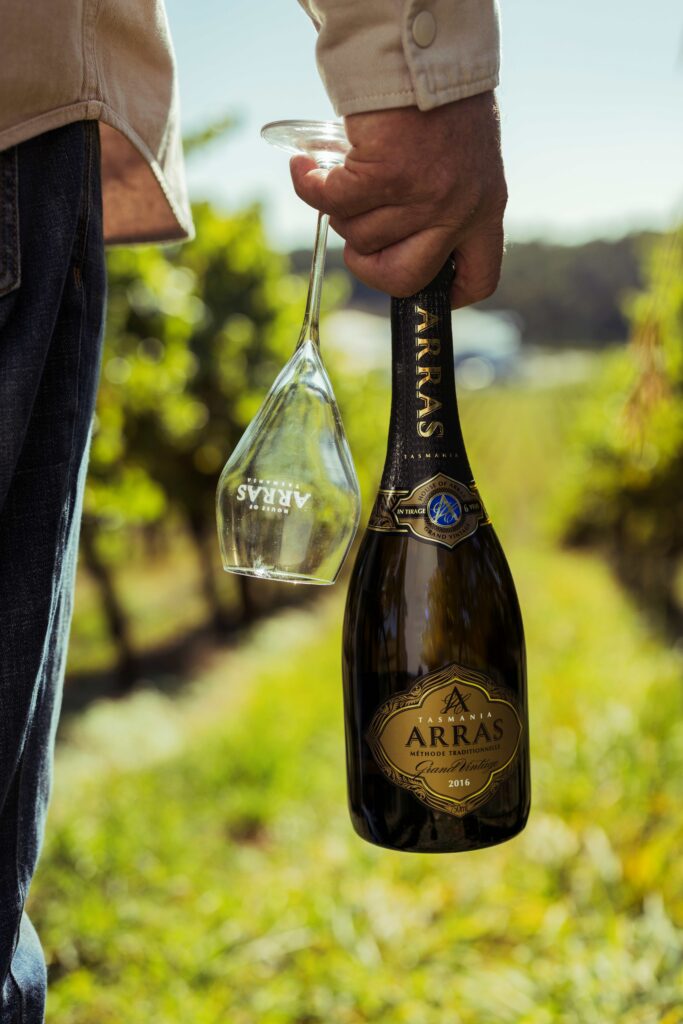
‘I got a better paid job as a chemist in the lab at Glenloth winery, which was owned by Wynns. They were expanding their sparkling wine production with the Seaview label, but they were having trouble with their secondary fermentations, so they came to me and said: “You’re a microbiologist, come and fix this for us.” I guess you could say it was fate…’
‘I first visited Tasmanian vineyards in 1988, when I was working with Penfolds [which had bought Wynns]. There were only 46 hectares of wine grapes there then, but I brought a few Pinots and Chardonnays back to the boys in the Barossa. They were making big, burly Shiraz at the time and I recall them saying, “What’s this cordial you’ve brought us? You’ve got to be joking!” But even then, I felt there was a real opportunity for making quality sparkling wine from the core varieties in a cool climate.’
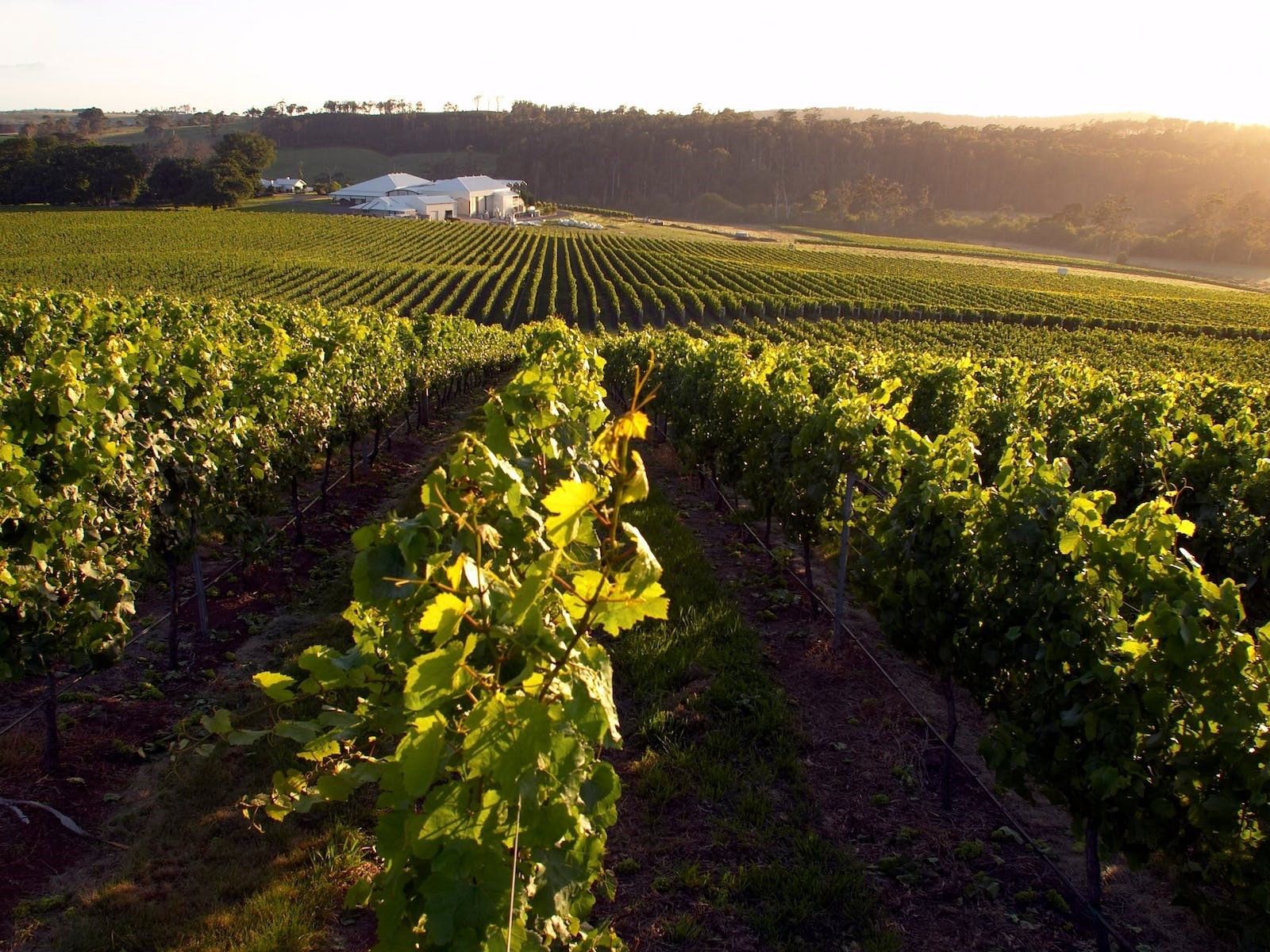
‘We’re at 42˚ South in Tasmania, and it’s very much a cool, maritime climate, driven by the weather coming from the Southern Ocean. But it also has a pronounced brightness of light and clear air – to the extent that we have to manage the canopy in the vineyards to get dappled light and mitigate some of that sun intensity.’
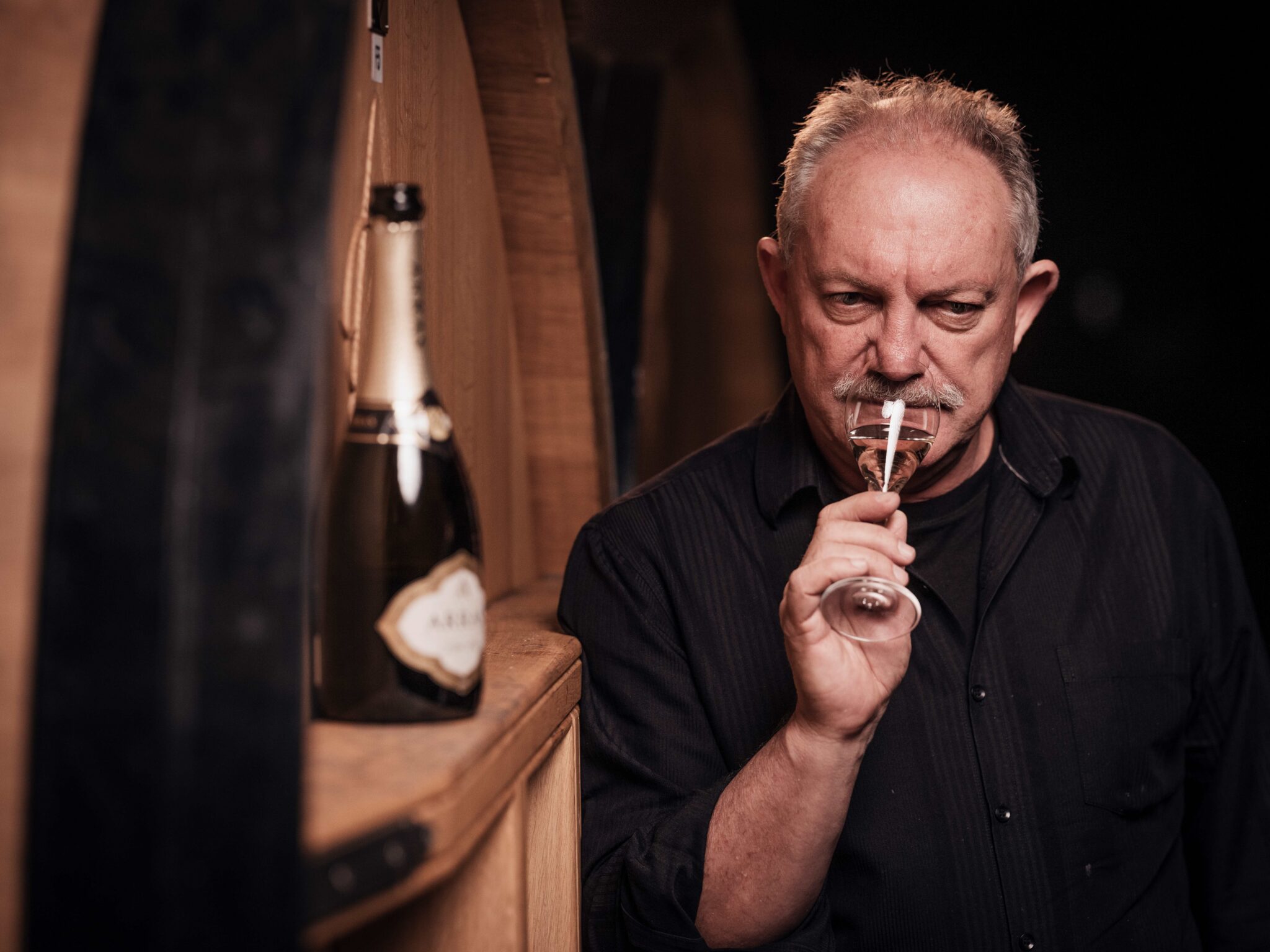
‘We don’t want shy wines at Arras. We strive for complex wines that are rich and flavoursome but also bright and fresh. So quality fruit, malolactic fermentation, partial maturation in barrel and a long time in tirage. That ageing in bottle is key – we’re aiming for that aged, deeper style, trying to extend those characteristics with time on lees. We keep pushing the boundaries on ageing, and we haven’t found the limit yet – though as a commercial entity, I’m reminded that we have to sell the wines at some point…’
‘People like to think there’s magic in wine but there’s not. I approach it very much from a scientific perspective.’
‘I’m frequently asked, “What Champagne style you are trying to imitate?” The answer is simple. We’re not. Arras is our interpretation of premium sparkling wine from Tasmania. And it’s a Tasmanian wine, not an Australian wine.’
‘The evolution of English sparkling wine is very similar to Tasmania. Size wise, it was similar back in the ‘90s, when the serious people got started. Then you get pioneers coming in, planting the Champagne varieties and making a sparkling wine, and then after a year or two they say, “Shit, I can’t wait eight years for this, I need some cash flow.” So a lot of early English sparkling was just released too young. Now the Nyetimbers and the Gusbournes and the Chapel Downs are making much more aged cuvées with more reserve wines in the blend. It’s really made a difference, even if the wines have a totally different balance to Tasmania, with this very high acidity on the attack. I particularly like Gusbourne.’
‘I’ve had a couple of English wineries approach me to see if I’d be interested in doing some work with them. It would be interesting to have a crack at it, and it would work with the calendar. So never say never. But if I came back to England to make wine, it would be purely from an educational point of view. That’s the thing about wine – just when you think you’ve got it all covered, you find there’s so much that you don’t know.’
‘I’ve got dual citizenship but I feel 100% Australian. Actually, I need to renew my British passport next year. Otherwise, they won’t let me back in.’
‘Aussie Chardonnay has made a big comeback, particularly in cool-climate regions. Some of it’s very good, but making still wine doesn’t interest me. I’ve got enough to do with Arras.’
‘There’s no denying that there’s an oversupply of wine – but very much at the commercial end of the market. Sparkling wine, particularly premium sparkling, is actually growing in a general climate that’s declining. Which is pretty positive, I guess.’
‘Even in Australia, where we’ve had 30 years in the market, I still come across people who’ve never heard of Arras. So there’s a lot of work to do. And we’re selling nearly 90% to the domestic market. But our aim is to go after more international markets and spread some risk.’
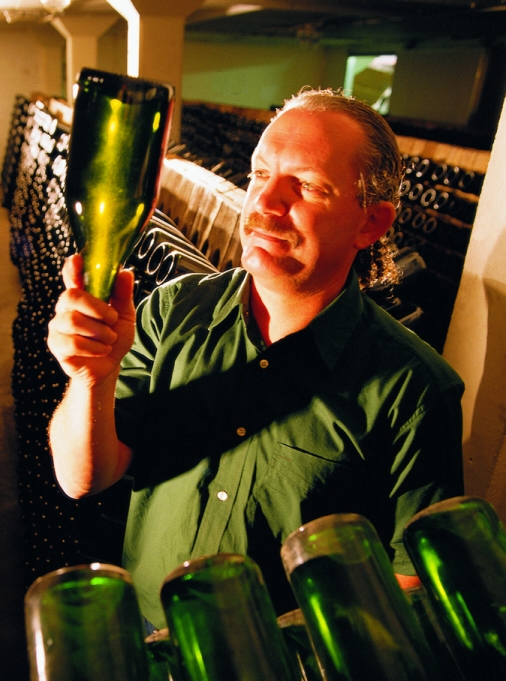
‘Every vintage has its challenges, but finishing the blends for the base wines each year is a great feeling. We do so knowing that somewhere between four and fifteen years later we’ll come back to them and make the liqueurs [for the added dosage]. Then we’ll see them finally come together. I love that.’
‘I also love the idea that we’re crafting something that people really enjoy and are happy to buy for a special occasion. It’s a great feeling. Humbling, but great.’
Not a 67 Pall Mall Member? Sign up to receive a monthly selection of articles from The Back Label by filling out your details below
TWO
MINUTES
WITH
Kurtis Ogasawara, Robert Mondavi Winery
UNDER
THE
SURFACE
English winemakers feel the heat
MEET
THE
SOMM
Eric Li