


WHAT I’VE LEARNED | Frank Cornelissen
19 June 2026
Born in Belgium in 1961, Frank Cornelissen had a successful career as a wine broker before moving to Sicily to make wine in Etna in 2001. Initially something of a lodestar for the natural wine community, he has expanded from a one-man operation making 1,200 bottles a year to a team of 30 producing 180,000
‘My father was a fighter pilot, but his passion was wine. That and cultivating vegetables. When he got into something, he would analyse it very closely, and he passed that passion on to me.
‘My mother was the director of the hotel school in my home town of Hassalt, in the Flemish part of Belgium, so wine was part of our daily life. I tasted my first wine at 12; Hugh Johnson’s Wine Atlas was the only book I had next to the bed; and at 14, I used all my savings – the equivalent of €850 today – to buy a mixed case of Domaine de la Romanée-Conti.’
‘My father and I tasted a lot blind, with a group of friends, and I was lucky to taste all the classics – Cheval Blanc ’47; Latour ’61; Reyas ‘90… That gave me reference points, which are really important, and have shaped my own winemaking far more than any training. Towards the end of the ‘90s we started noticing that we were missing a lot of wines. He thought maybe we were getting older, or weren’t focused, but actually it wasn’t us who were changing, it was the wines. And not for the better… Bordeaux became very lush and smooth and polished. There was a huge amount of technique being used, an overdose of oak, and the wines were unrecognisable.’
‘At the time of 9/11 [in 2001] I was working as a [wine] broker, in the grey market, and the whole market shut down. I had got to know all these wines, and how they were made, and I was super curious about the whole thing, so I thought to myself, “Why not try it yourself?”’
‘I had come to really like the wines of Italy, maybe because they were less well known, but also because it’s very diverse compared to Burgundy or Bordeaux. Winemaking is much more standardized in France. Italians also are more individualistic – SuperTuscans being the obvious example.’
‘I was having a long lunch one day with Giusto Occhipinti [one of the owners of Sicilian winery Cos] in Modica, and we told the sommelier to bring us some wines blind. One of them was fantastic, with body but also acidity. I thought it was a Nebbiolo from Gattinara, but it was from Etna. I was blown away.’
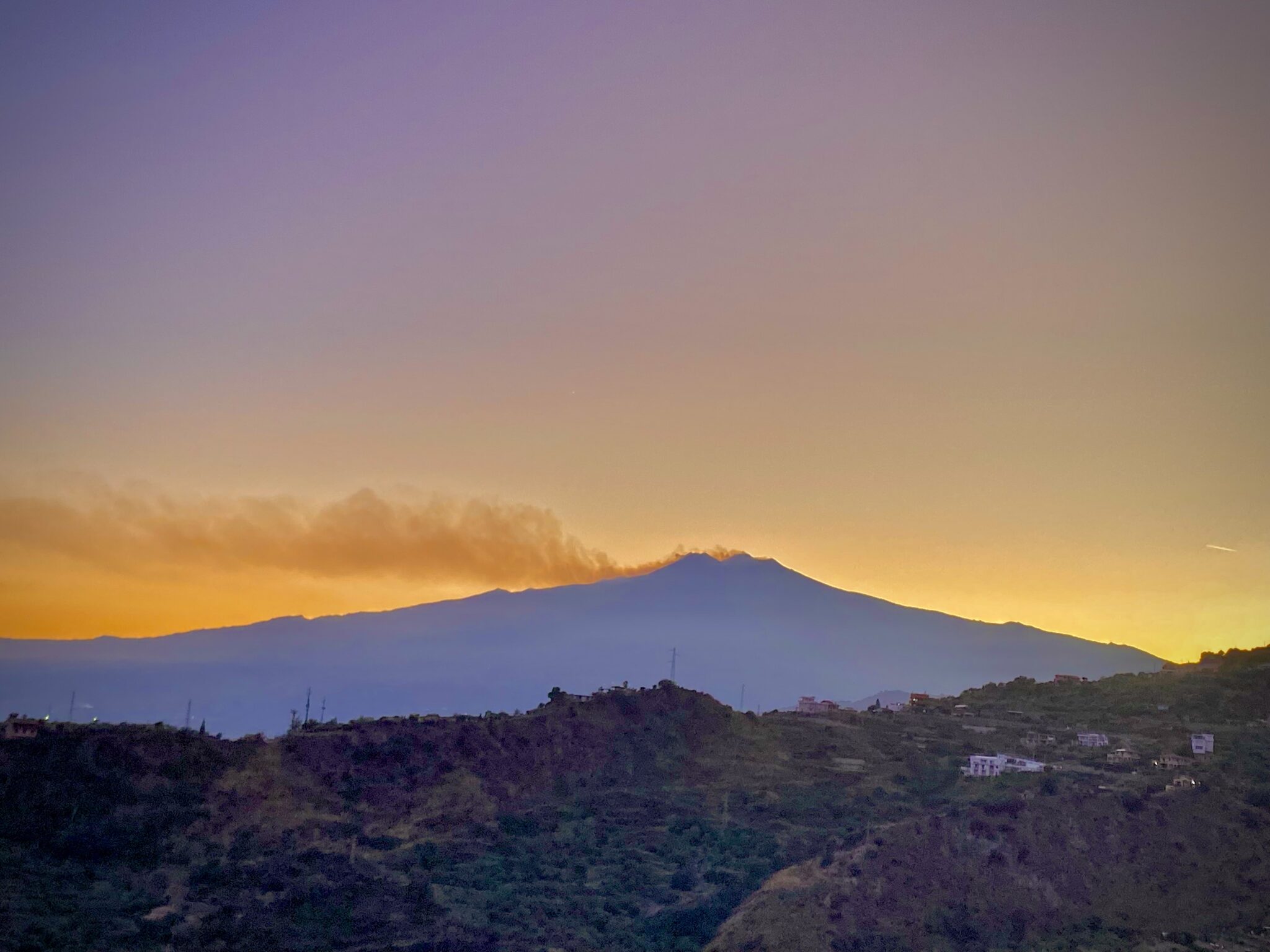
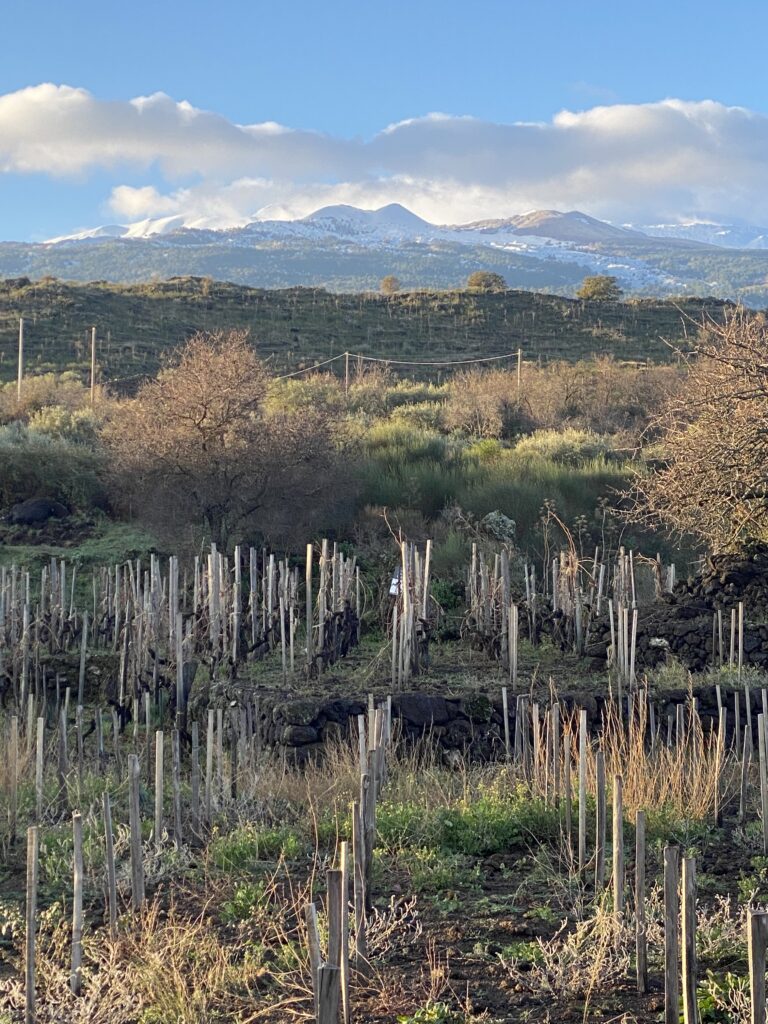
‘I was due to fly back to Belgium the next afternoon, so in the morning, I drove to the northern slopes of Etna, where this wine was from. It was May, but there was still snow on the upper part of the volcano. It was absolutely beautiful, but I kept thinking, “Where are the vineyards?” Then I got to Randazzo and the scenery started to change, with all these abandoned vineyards, old vines, stone walls, and I was like, “Wow, this might be the place to be.”’
‘Working on the land is a passion, and it changed my life completely. Not necessarily for the better, to begin with. I sold my private cellar to fund it, which is not a healthy business model.’
‘The locals though I was crazy. I had an Alfa Romeo 147 when I arrived there, and I sold that to buy a vineyard. Then I paid a lot of money, up front, to buy in more grapes – before the harvest – and then set about crop thinning. People were like, “This guy is totally out of his mind – he’s throwing grapes on the floor.” I was worried they would think I was disrespectful, discarding these grapes they’d been cultivating all year, but they’d been paid, so instead they just thought I was crazy. Now we laugh about it.’
‘My model has always been Burgundy and Piedmont, because, like them, I wanted to make a hands-on, artisanal wine. In Bordeaux, it’s all consultants, balance sheets and scores. They have the best laboratories in Bordeaux, though – definitely not in Burgundy.’
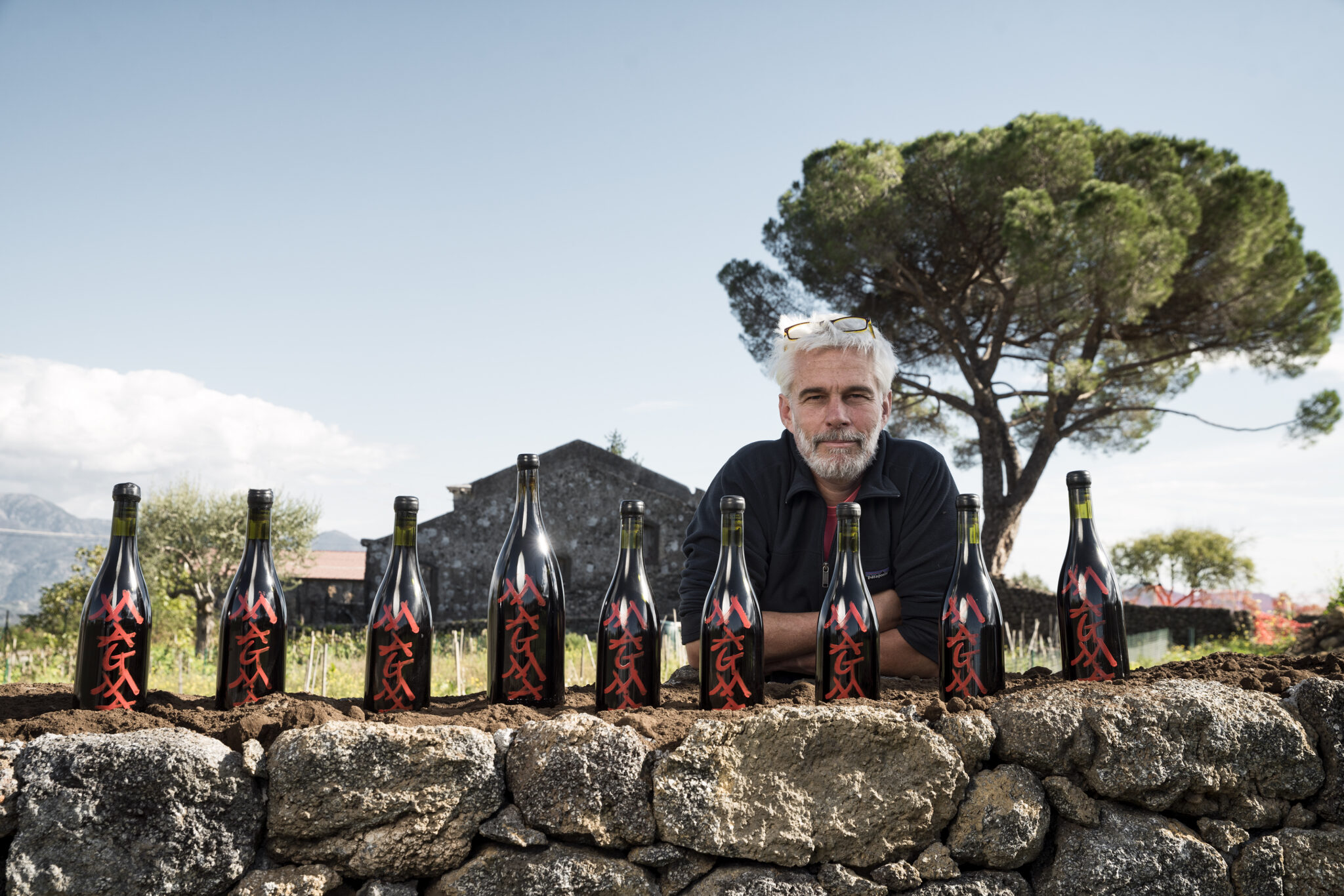
‘Natural wine was a counter-reaction to winemaking excess: too much wood, too much extraction, too many chemicals. But natural wine will never be a category. To make it a category is to confine it, which is the opposite of individualism. It’s uncategorizable, which is its greatest asset.’
‘I’m committed to organic viticulture without question but I’m against biodynamics. The way I see it, if you’re ill, you go to hospital. But once you’re cured, you’re not going to stay there. It’s the same with biodynamics. Why do I have to treat the land with dynamised silicate or dynamised manure every year? It’s not that it doesn’t work. It does. But it’s not a recipe that can be used everywhere. And the question is, do my vines need it?’
‘It’s much more important that we pay attention to how we treat not just the earth but also society – how we consume, how we produce, how we treat our employees, how much energy we use, how much energy we give back. These are the things that gradually pulled me away from the natural wine road, because it became more like a religion, a cult. And I was not raised to be religious – we like to keep our feet on the ground in Flanders.’
‘I have a reputation as an important figure in natural winemaking, but I have never used the term natural wine, and I don’t like the description. It’s too limiting. I do like the idea of “natural” though, because it brought a consciousness to people of what they’re drinking, and whether it is healthy. Wine is a fuel you put in your body – and the more a wine is manipulated, the more difficult the digestion.’
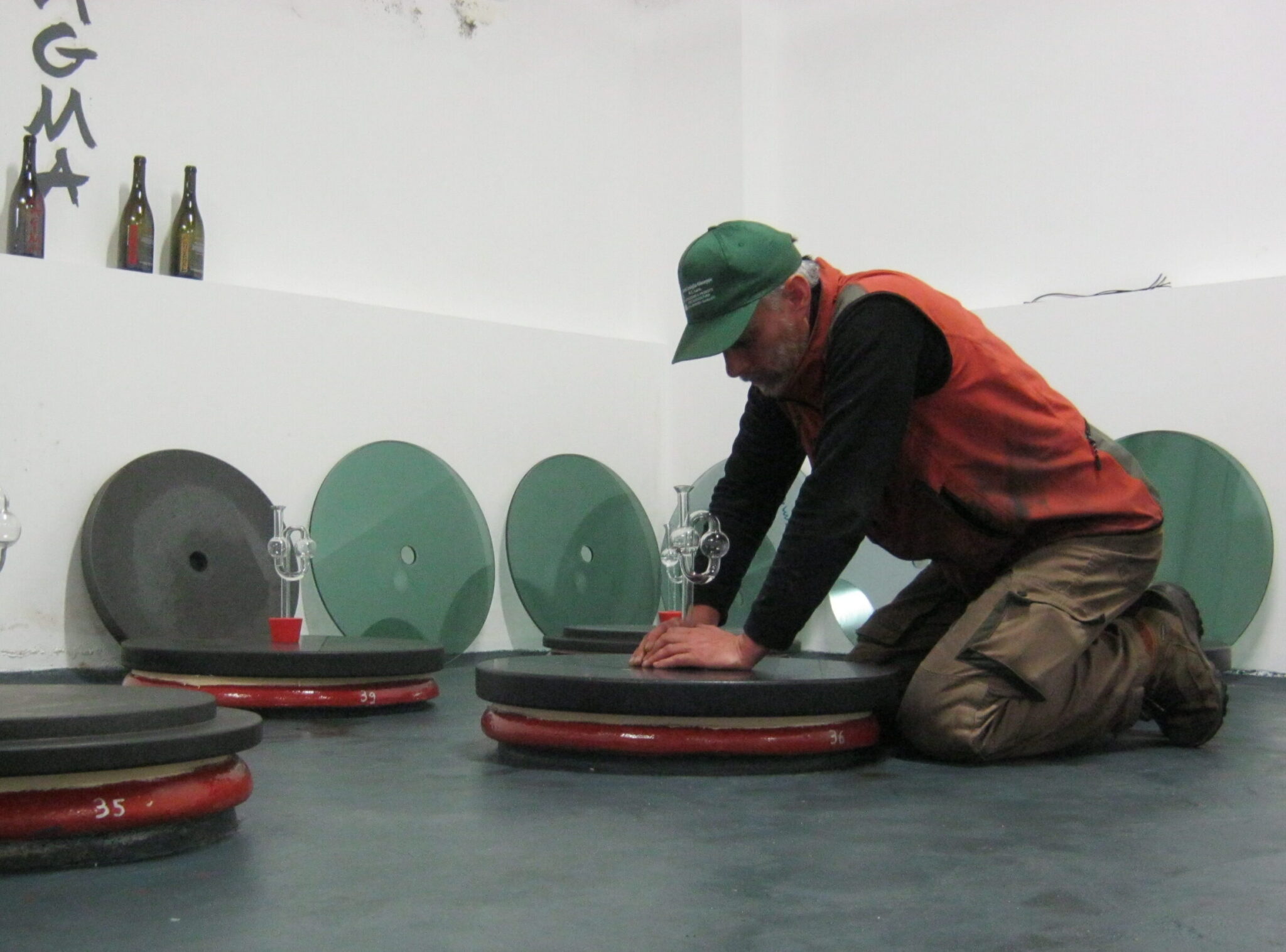
‘To me, it’s more about making an authentic wine, from start to finish. Wine has to respect and reflect the land where it’s produced. If the flaws are bigger than the expression of the place, you’ve missed the point. So if you use too much oxidation in a wine, for instance, you don’t taste the vineyard anymore. It’s the same if you pick too ripe – you lose the precision of the vineyard.’
‘You can’t go in with a winemaking philosophy that’s already dictated. 2015 was a turning point for me. It was a really interesting vintage. But I missed it because I refused to use sulphur. It was humid, it was unstable, the grapes were a little bit mouldy, but because I was so stubbornly committed to this religion of no sulphur, instead of opening my mind, I was blindly following a preset rule, which didn’t apply in that vintage. What made it worse was that Marco di Grazia [of Terre Nere, now owned by Frescobaldi] made such beautiful wines. I was really pissed off. When 2018 happened, it was just like ‘15, so I used sulphur and the wines were fantastic.’
‘Yes, I’ve changed. I needed to. People say I’ve mellowed or become more conventional, but if you don’t evolve when you learn new things, you’re stupid – and I’m not stupid.’
‘In the first 10 years, my wines were very much Frank Cornelissen wines, and much less Etna wines. I made some great wines but also some that were off. Since then, the wines have evolved. Today, I think my wines are very much Etna.’
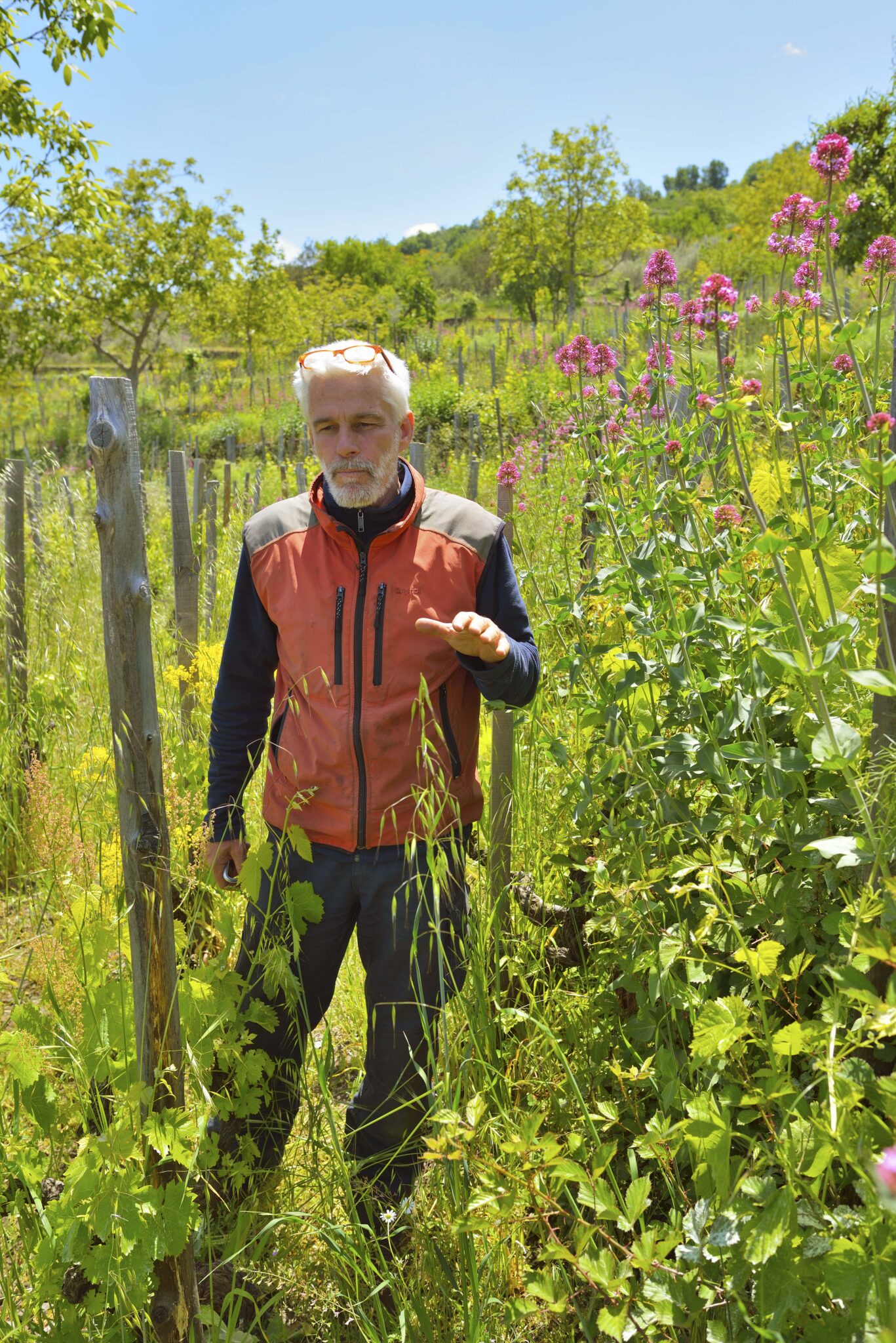
‘When I pass away, if someone organises a vertical tasting of my wines, they’ll see the psychological patterns of my mindset rather than a vertical reflection of the vintages.’
‘My wife is Japanese. She’s a food writer, and in 2006 she visited me to write an article. Well, you know, one thing led to another, and she’s basically been here ever since.’
‘We have two children. I don’t know if they’ll take on the business after me. You can’t force your children to do something. Fifty years ago, children would inevitably follow their parents’ path. It was easy, and other things seemed more complicated. But in today’s world, there are so many possibilities…’
Not a 67 Pall Mall Member? Sign up to receive a monthly selection of articles from The Back Label by filling out your details below

TWO
MINUTES
WITH
Armand de Maigret, Screaming Eagle
UNDER
THE
SURFACE
Why the fuss over old vines?
MEET
THE
SOMM
Max Melvin