


WHAT I’VE LEARNED | Robert Hill-Smith, Yalumba
16 April 2026
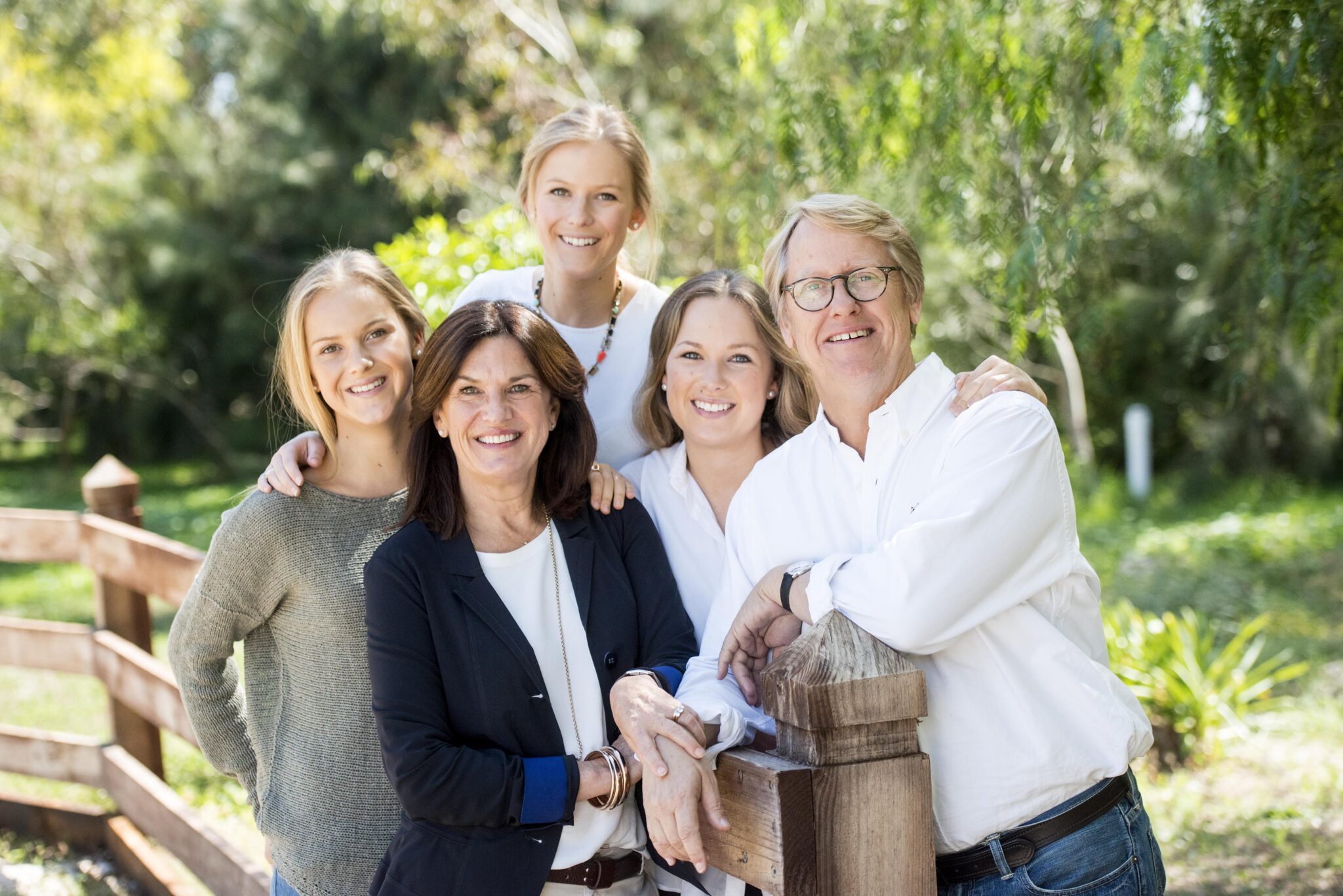
Robert Hill-Smith, 74, became CEO of his family’s group of wineries in 1985, transitioning to chairman in 2016. The group’s holdings are headlined by Yalumba, Australia’s oldest winery, founded in 1849 by Dorset brewer Samuel Smith. Its other brands range from the entry-level Y Series and Oxford Landing to the more premium Jansz, Dalrymple and Pewsey Vale
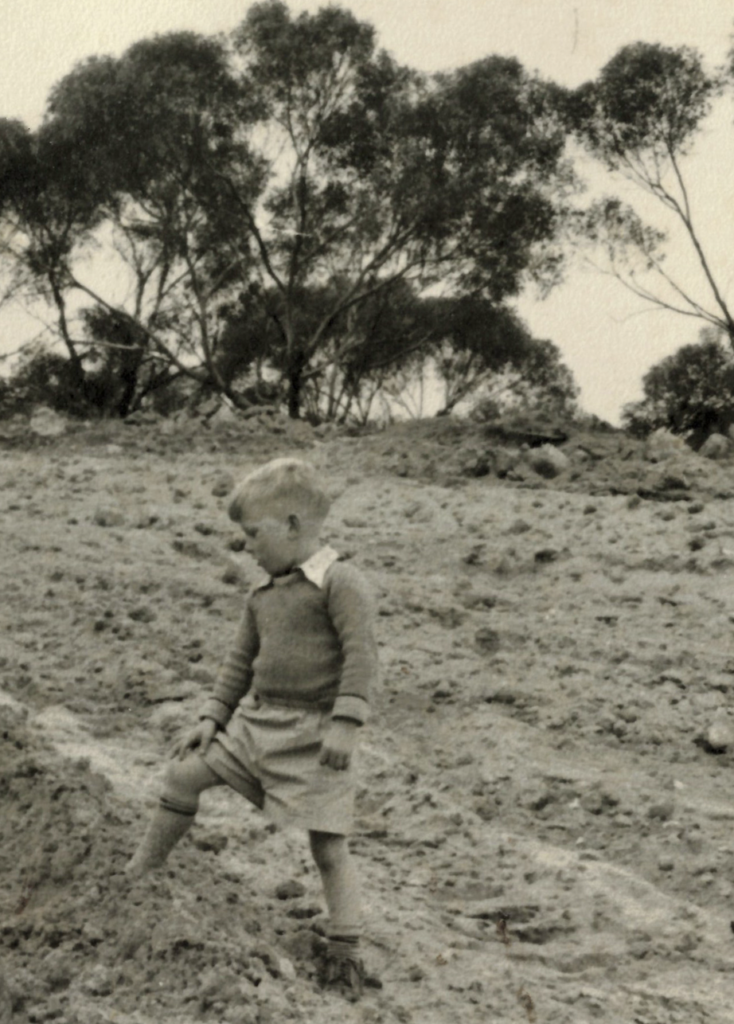
‘I left school not wanting to follow in the family footsteps, and did a business and marketing degree at Adelaide University. I remember halfway through, my father asked me if it was a degree in pubs, beer and women. To be honest, he wasn’t far wrong…’
‘I did a couple of vintages at the winery after uni and then set off for a wine tour through Europe with my cousin Michael [Hill Smith MW, founder of Shaw + Smith, Tolpuddle and MMAD wineries], taking in Bordeaux, Burgundy and parts of Italy. We lived in Knightsbridge where a friend of a friend had a flat. The ‘70s and ‘80s – those were the days. If you remember them, you weren’t there.’
‘In 1978, the only place Australian wine was available in London was the Australian Wine Centre – a shop on Frith Street in Soho, subsidised by the Aussie government and wine board. It was opposite a brothel, and perhaps not the best image for Australian wine. It was only when the Australian government decided to shut it down that we all got off our arses and started to find importers.’
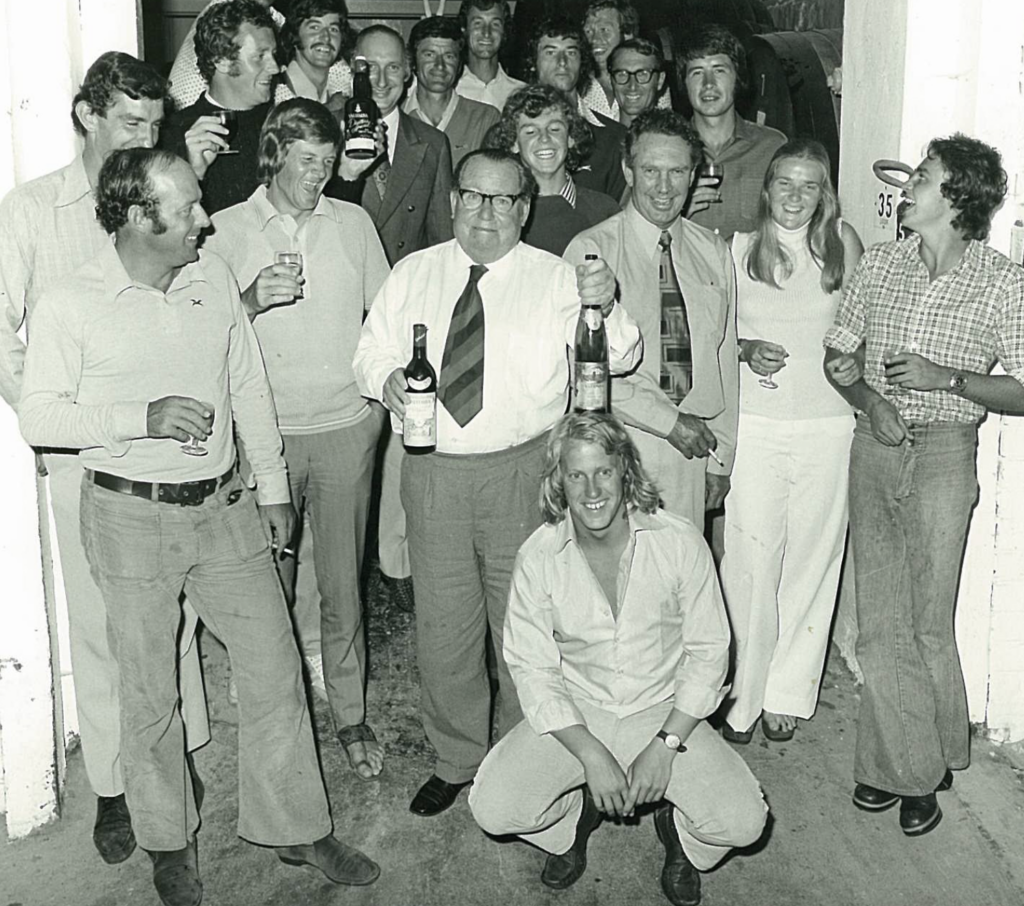
‘The appetite for Australian wine at the time was zero. There was no market for it until Oddbins took a punt on it. Oddbins was riding the wave of the fashion for wine with a pretty quirky, entertaining offer, and it changed the market for Aussie wine completely.’
‘When I was growing up, Australia’s relationship was with the UK (which we called the motherland) and the educational curriculum reflected that. We would learn the lineage of the British kings and queens, without being taught any of our country’s own history. They didn’t even teach Anglo-Australian history, let alone indigenous history. Today, thankfully, they teach indigenous history.’
‘The UK is very different to how it was in the ‘80s. It’s untidy and poorly managed. But then the whole world is lacking in leadership and trust at the moment.’
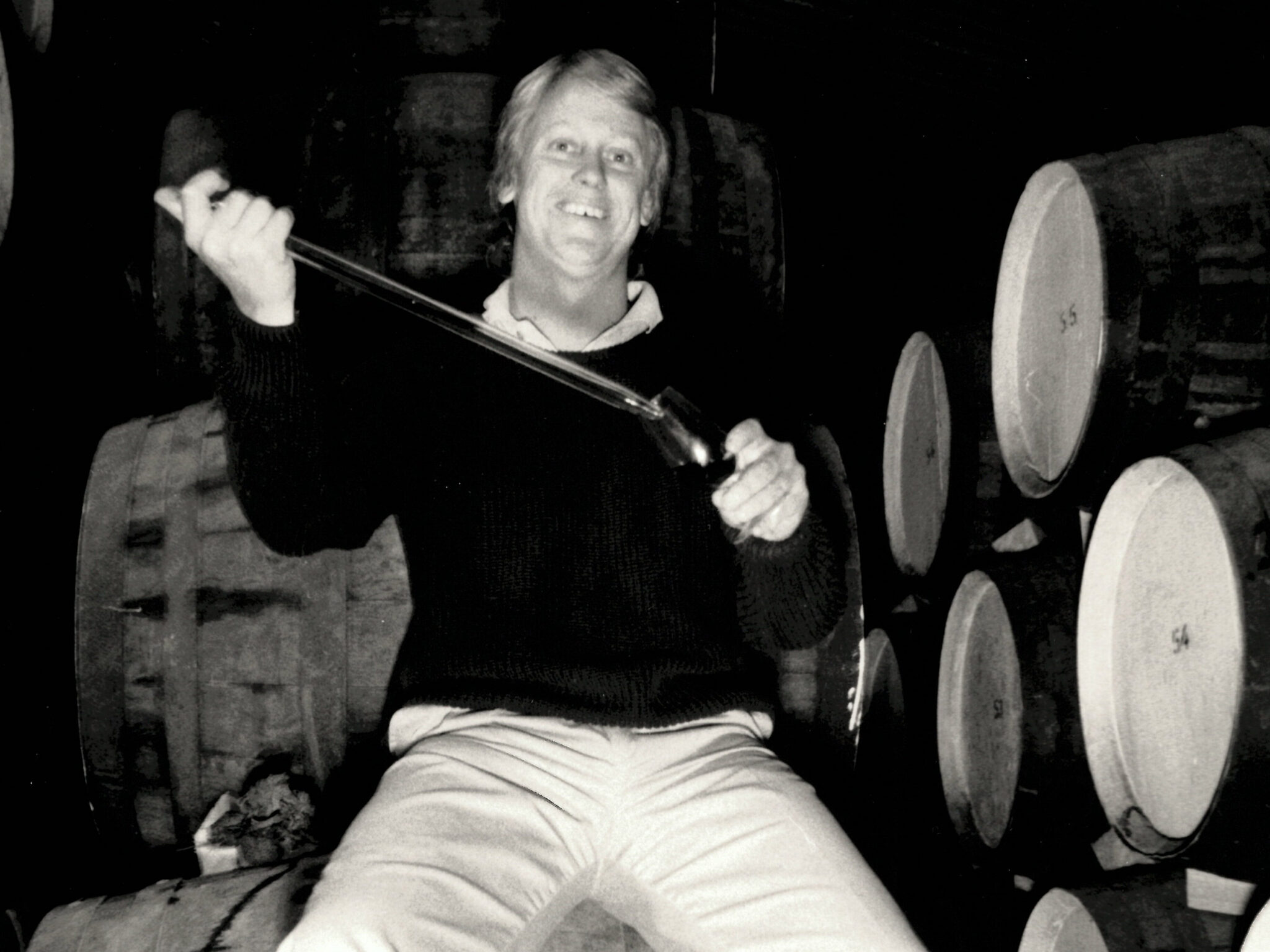
‘I took over the family business from my uncle in 1985. I wasn’t that keen, but the family were looking for generational change. I was 34 – young, naïve, gung-ho and unprepared. That’s the best way. You just get on with it, and if you stuff up, there’s time to recover and put it right.’
‘My side of the family, the Wyndham Hill Smith corner, didn’t have control of the business. There was an array of wider family members, inherited shareholders who weren’t directly involved but had been left equity. They weren’t agitators, but I could see that in another generation, the whole structure was going to get unwieldy. As CEO, if I said, “Sorry, times are crap, all the profits are going back in the business and you’re not getting any dividends,” someone might say, “I’ve had enough of this.” I didn’t want them buying me out on their terms rather than my terms. So I bought them out instead.’
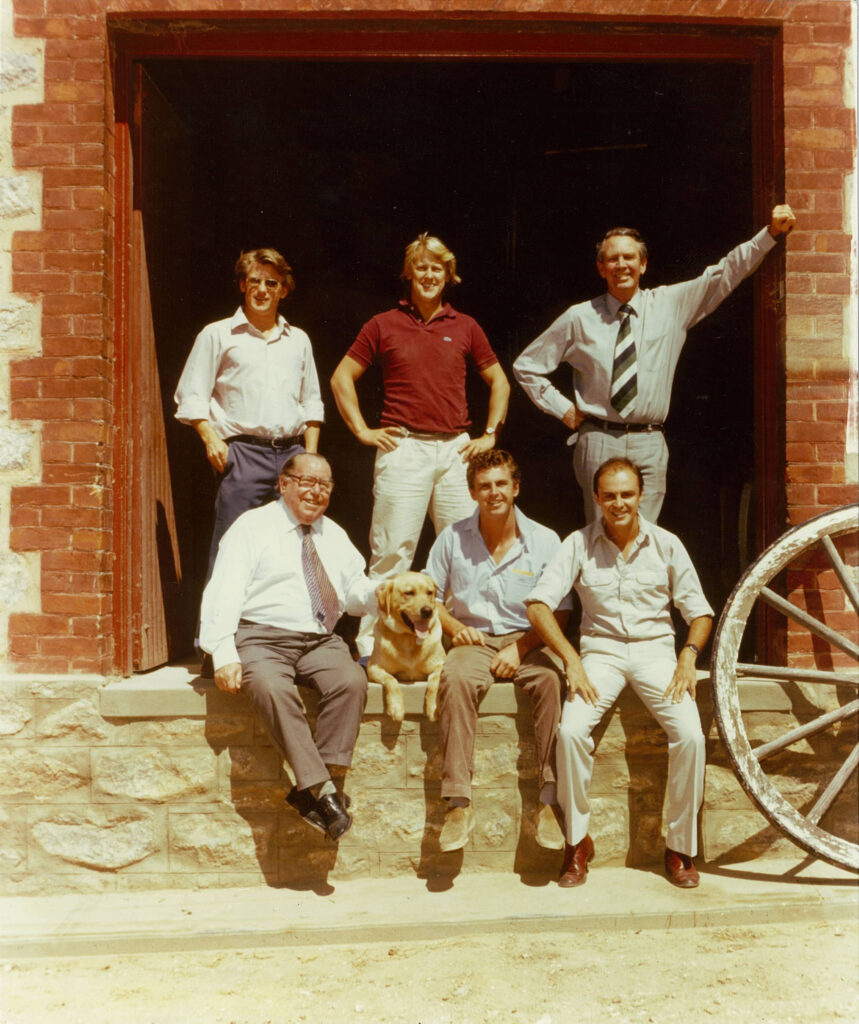
‘It was a bit of an ambush, for sure, because there was no sort of pre-emptive discussions. It just happened. My old man thought I was mad. “Who the f––– do you think you are?” I remember him saying. But I did it with his permission. So it was a difficult time between the families. My relationship with my cousin Michael and his father was pretty testy. We only lived 100 metres apart, on the winery. Survival instincts cut in very quickly.’
‘Michael and I get on very well these days. Everyone’s had time to reflect on it now, everyone’s been a free spirit and done what they wanted to do with their lives, and we’ve all done OK.’
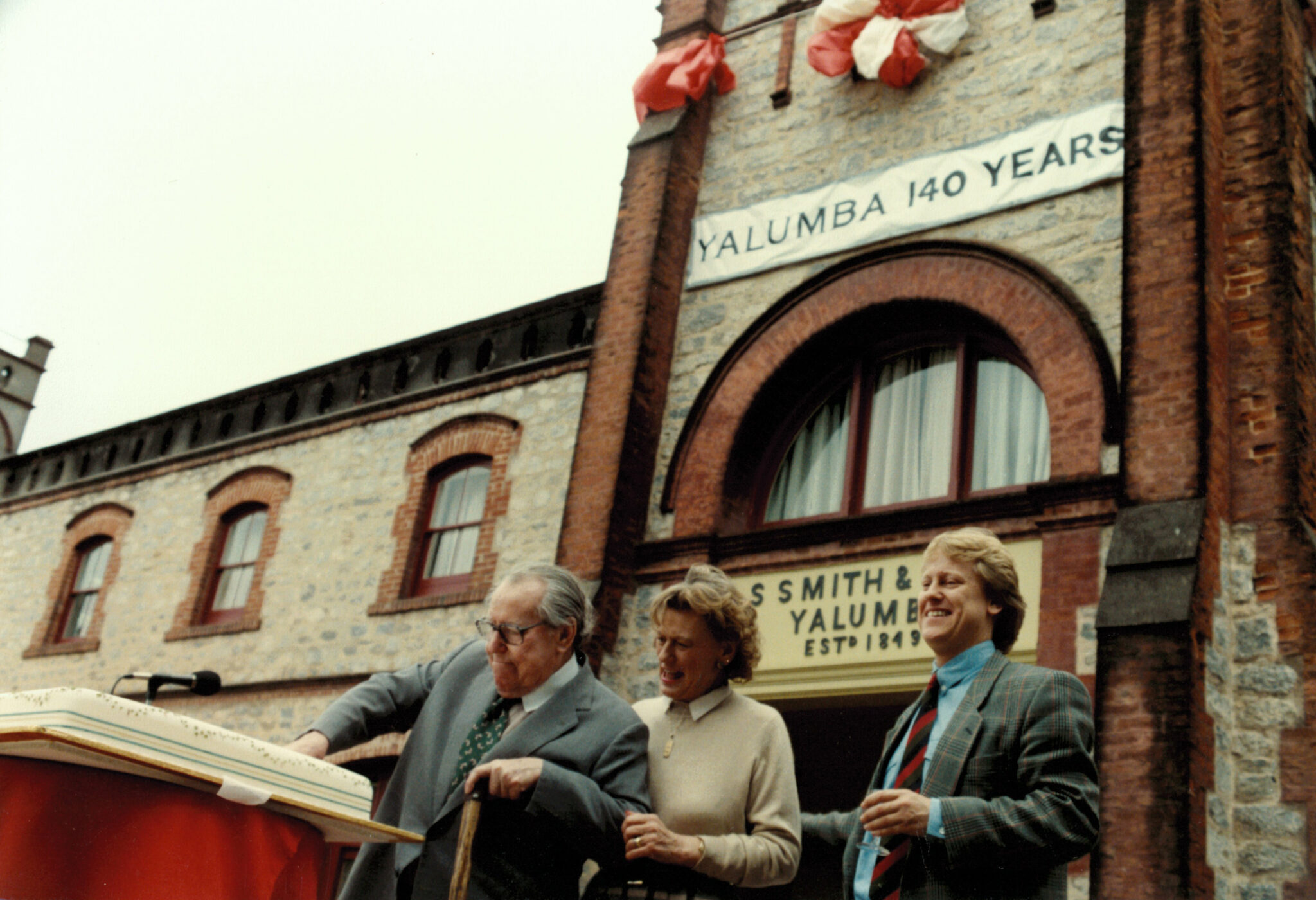
‘Back then, entry level was the dominant area for Australian wine, and everyone from The Wine Society to Bargain Booze was happy to have it in their portfolio. Most were at £4.99 but there were some getting sold at £10-12 quid. But £30 Aussie wine was a non-starter – that belonged to Europe.’
‘There’s still a stigma around Australian wine. I don’t know why. Every country in the world makes inexpensive wine, own-label wine, cooperative wine, but for some reason, there’s a different perception around Australia. Maybe New Zealand was more clever – their wines always had a premium, and they started more slowly, whereas Australia’s been far more boom and bust. New Zealand’s going through a bust now, but it’s only the second in its history. We’ve had about eight.’
‘We might finally be getting to the end of New Zealand Savvy B. But there’s no Plan B for New Zealand, and that’s a problem for them. As much as we all recognise that they do other things bloody well – whether it’s Pinot, Chardonnay, Riesling or Albarino – the global acceptance of anything other than Sauvignon Blanc is minimal. The Kiwis have always looked for another variety that they are recognized for. Pinot Noir should be the one – people know it’s there, but has it taken root in any market? No. So they’re vulnerable.’
‘Today, Tasmania is a far easier sell than Barossa. You could put a bad wine into market with Tasmania on the label and it would sell. That’s not the case with Barossa these days. Barossa is very dependent on traditional plantings of Shiraz and Mediterranean varieties, whereas Tassie is exciting, adventurous, relatively new and its style – lighter, fresher – points to what people are wanting to drink. It’s bang on trend.’
‘The most exciting thing about an old wine is how young it tastes. You don’t want to drink an old wine that tastes bloody old. The best reds are made for longevity, but they’re also made with approachability. So it’s about harmony – power with elegance.’
‘I stepped back from CEO to become chairman 11 years ago. The stepping back part is still a work in progress. My role today is an uninvited nuisance. But it’s a privilege I carry.’
‘The reason the Australian wine industry’s got itself into the position that it has is because of the government. Every time it’s tried to assist an industry, it’s buggered up. Back in the late ’90s, they were looking at how Australia could supply the opportunity that was there at the time. It ended up doing five years of intensive planting to meet a 25-year vision, and we went from a balance to a surplus, just like that. Now we’re paying the penalty, and the government wants to help growers transition away from cropping grapes to cropping citrus or pistachios. I wish they wouldn’t get involved. Just let the industry look after itself.’
‘There’s so much information and misinformation about wine and alcohol in general. You’ve got the World Health Organization basically saying your first sip of alcohol is the first step into the dark, and your health will suffer from day one. It’s complete rubbish.’
‘Wine’s problems are exacerbated by today’s lifestyles and social media and the way kids are not around the kitchen table anymore, sharing conversations with a bottle of wine that their parents might tell them about. Wine has a depth and width that other forms of alcohol don’t have. It’s been part of civilization for over 5,000 years. It’s there to be celebrated. It has a history and it has a future. I just hope that people keep out of its way.’
Not a 67 Pall Mall Member? Sign up to receive a monthly selection of articles from The Back Label by filling out your details below

TWO
MINUTES
WITH
Armand de Maigret, Screaming Eagle
UNDER
THE
SURFACE
Why the fuss over old vines?
ON
THE
ROAD
Martijn Brouwer in Verona