


WHAT I’VE LEARNED | Bo Barrett, Chateau Montelena
20 March 2026
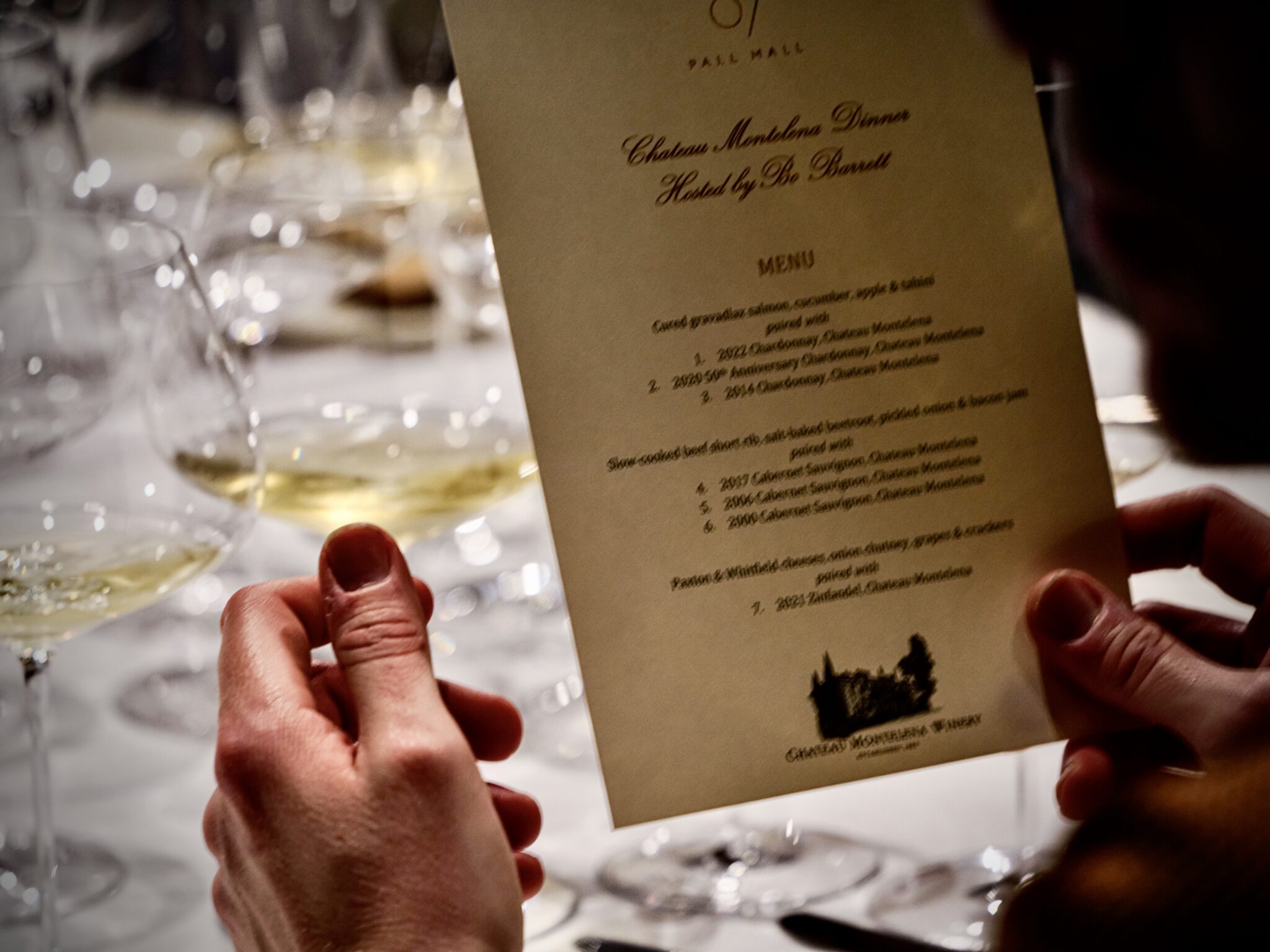
Bo Barrett is the owner and CEO of Napa Valley’s Chateau Montelena, which was established by his father in 1972. Just four years later, its 1973 Chardonnay outranked a host of top-end white Burgundies to triumph at the famous Judgment of Paris tasting. On a visit to the London Club to mark the 50th anniversary of the event, he considers how Montelena, Napa Valley and the California wine world as a whole have evolved since
‘My father was a real-estate tax attorney. In the early ’70s, the Vietnam war was going very badly, the economy was a mess and taxes were spinning out of control. President Nixon introduced incentives to revive American agriculture. In effect, if you were a high earner, you could either hand over 75% of your profits in tax, or you could invest it into an American agricultural project. My father chose the latter.’
‘My dad was a pilot, so he’d fly to all these places to find the right opportunity. He looked at cattle, but figured cattle get sick. He’d go and look at pomegranates or avocados in San Diego, but nobody knew what a pomegranate or even an avocado was back then. One day he was having lunch at the Brown Derby, a super-fancy, old-school steak house in LA, having a bottle of 1968 Robert Mondavi Cabernet. This light bulb went on and he goes, “Hey, what about this stuff?”’
‘My father’s parents were Irish immigrants who knew nothing about wine. Growing up, he’d never had a glass of wine in his life. He was a pretty competitive guy, though. He put himself through a wine course at UCLA, just so he could mix with the posh guys at the tennis club. He learnt about the classics – Bordeaux, Burgundy, Châteauneuf-du-Pape, German Riesling – so he knew just enough to be dangerous.’
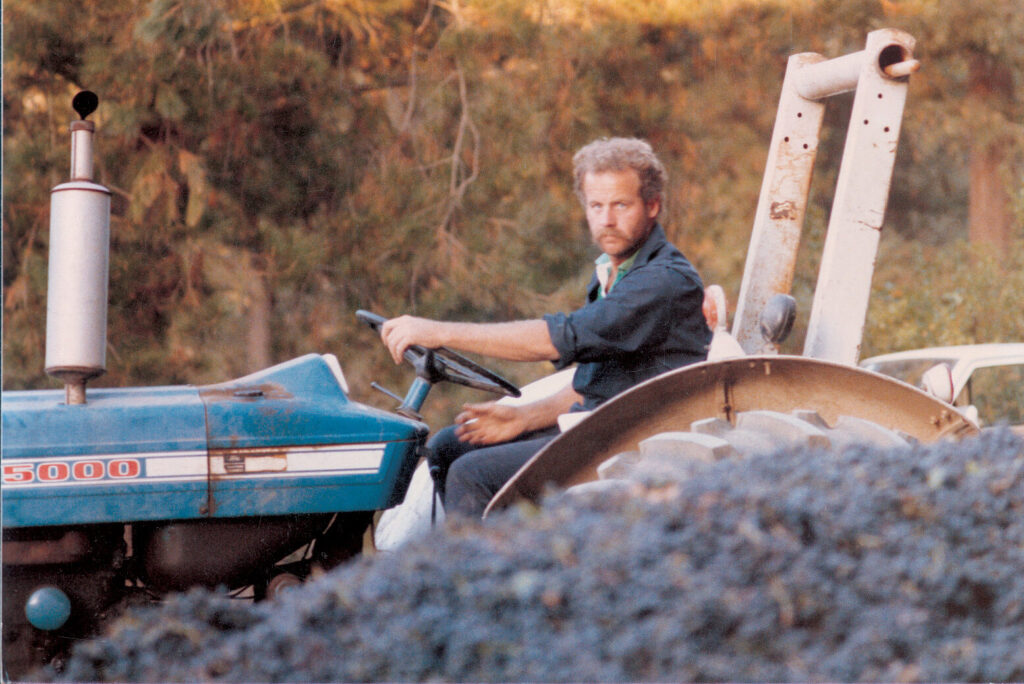
‘His instructor at UCLA gave him a list of places to go and look at in Napa Valley. When he walked onto the property at Montelena, there were 100 acres of totally overgrown vineyard land, planted to prohibition grapes like Sauvignon Vert and Burger, plus the original winery that had been built in 1882, with a collapsed roof and dirt floor. He took one look and said: “This is it. I’m going to do this for the rest of my life.” He bought the whole lot for $1m.’
‘His plan was to plant all 100 acres to Cabernet Sauvignon, which meant it would take five years to make wine there. So the famous 1973 Chardonnay that won the Judgment of Paris came from bought-in grapes. That success basically funded the completion of our estate Cabernet programme – today, the estate Cab is our flagship wine.’
‘I graduated high school in 1972 and got involved at the winery straightaway. It was all pretty exciting. We were all convinced that we were on to something special. The first year, I was only allowed in the vineyard. But much to the surprise of Mike Grgich [Montelena’s first winemaker], I was a hard worker. So then I got transferred to the cellar, where he had me cleaning all day long. Grgich used to say, “Wine is 10% art and 90% sanitation.” In 1973 I worked the harvest. We had three cellar workers by then – one guy crushing the grapes, one guy on the press, one guy racking the wine. I was the crush guy.’
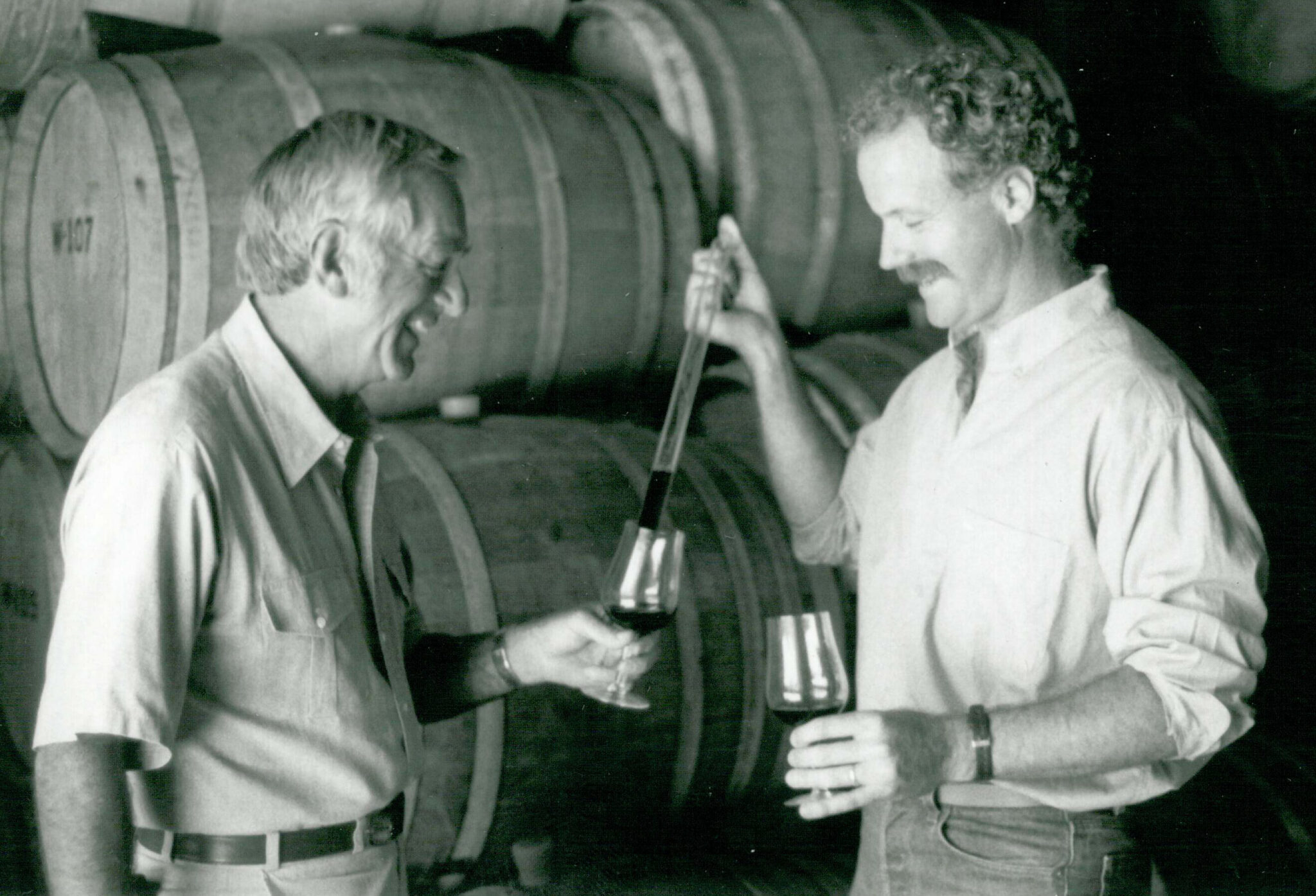
‘The bottle from the Paris tasting is in the Smithsonian [Museum] now. All our fingerprints are on it: I filled the bottle; my brother Mike put the nitrogen in the bottle; my sister Stephanie put the label on; and my little brother Kev put the bottles in the boxes.’
‘Immediately after the Paris Tasting, we had distributors calling from all over the country, including some who’d previously said they didn’t carry Californian wines. More importantly, it made quality the driving force for everybody in the [Napa] valley. It also forced us to continue with both white and red wine, even when the Cabernet vineyard was established. Because of the success of the Chardonnay, people expected us to make white, though I’ve always felt the red is our better wine.’
‘Mike Grgich was a tough guy, and he and my dad didn’t get along that well. Immediately after the Paris Tasting, Grgich got an offer from Austin Hills, who was going to put up all the money to start a new label [Grgich Hills]; Mike just had to show up, make the wine, and he would get a 50% share. So he was gone – he’d have been crazy not to.’
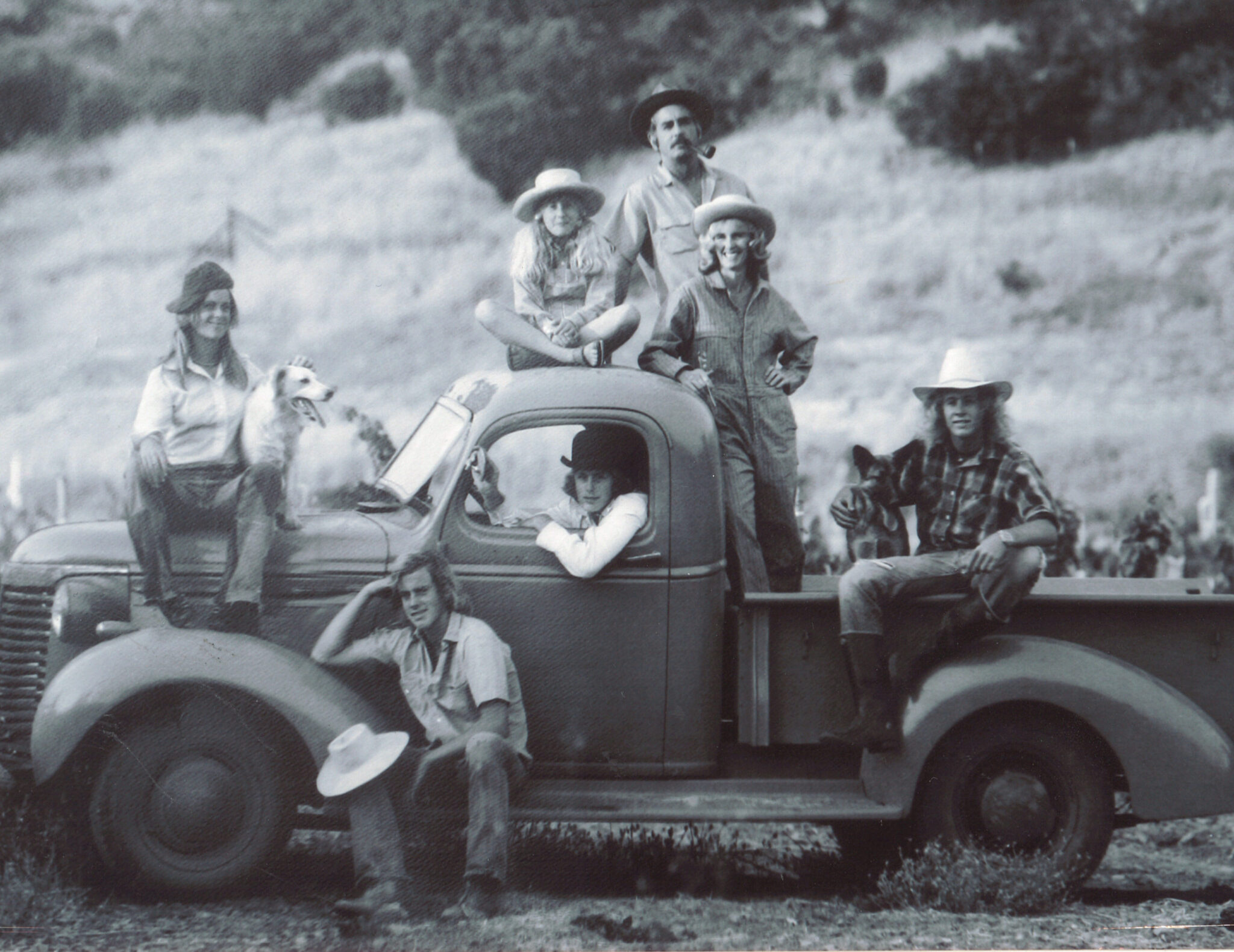
‘Grgich had been a 5% partner in Montelena, so even though he’d put no money in, my dad had to buy him out. After that, my father was never going to have another employee be an equity partner. So when Jerry Luper [from Freemark Abbey] came on board to replace Grgich, the same thing happened. Jerry was a fantastic guy, loved my dad, and loved Montelena, but when someone came along offering him equity, he went too.’
‘Jerry told my dad he should hire me to replace him. My dad was a super non-nepotism guy, and I was working down in Paso Robles at the time, so when he called me up I told him, “If you treat me the exact same as the other guys, with the same freedom to do my job, I’d be happy to come back.” And he said, “So if you make bad wine, I can fire you?” From that telephone conversation, in March of ’82, till the day he died [in 2013], we were a very tight father and son when we were skiing, hunting, fishing or flying. But at work, he was the boss, I was an employee, and it was “Sir, yes, sir.”’
‘I studied oenology at Fresno State, and my minor was in Agricultural Economics. The first thing they taught us was that trends always turn around. I remember in 2000, we almost stopped making Chardonnay completely, because our style just wasn’t fashionable. Kendall Jackson Vintners’ Reserve was all the rage and everyone wanted that soft ‘Country Club Chardonnay’ style – malolactic fermentation, barrel-ageing, high oak, low acid. Things always come back.’
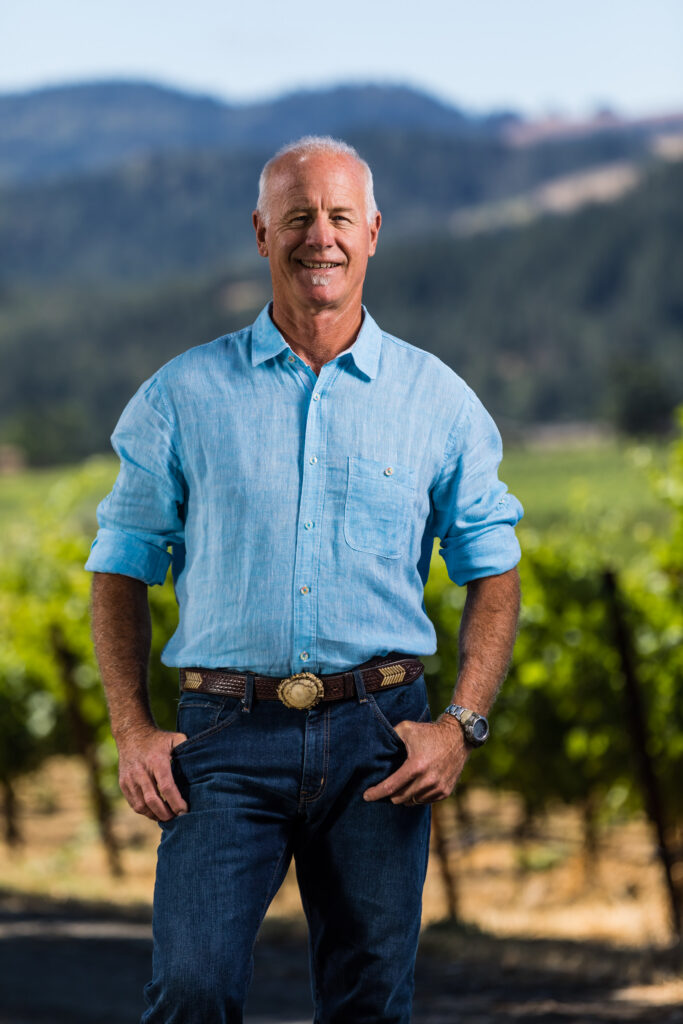
‘That’s why we’re planting a new Chardonnay vineyard now [in cooler-climate Carneros] while everybody else is pulling out. Now I just have to stick around for 15 years to drink it when it’s 10 years old. I wanted to establish our own vineyard with Chardonnay, like my dad originally did with Cabernet [the previous Chardonnay vineyard was a long-term lease]. It’s personal, almost like a line in the sand.’
‘It doesn’t matter to me that the Barretts be Montelena’s owners forever. It’s more important that the enterprise be successful. So if the right guy came in talk to me, my brothers and sisters – because we’re all getting older – and said he’d love nothing better than to have responsibility for this magnificent property, I would probably talk to him.’
‘My family has always tried to work for the good of something besides ourselves and our own ego.There are a lot of family brands in Napa where it’s all about them. The ethos that was installed by my dad is that it’s all about the place.’
‘In terms of fashion, the classics are coming back. People want properly balanced wine. Some folk got burned by laying down 16%, 4pH [i.e. low-acid] wines that don’t age. Making $300 wines that are never going to get better – that’s not a sustainable business model. Producers who make those wines are going out of business or having to adapt.’
‘My old Idaho fishing buddies always said that if you wanted to get married and raise a family, you should get a girl who can back [reverse] a trailer. It means they’re good at handling adversity. On my second date with Heidi (Peterson Barrett, the renowned California winemaker], she had the boat in the water, and pulled the waters real good. So I married a girl who could back a trailer.’
‘Watching Heidi’s career take off so spectacularly at Dalla Valle and at Screaming Eagle [where she was the founding winemaker, and spent 17 years] was quite something. Heidi has always specialised in wines with total polish and finish – not mass, but an openness and smoothness that follows you all the way through the wine. Whereas at Montelena, our mission is to bring the vineyard and vintage to the glass, even if it means a gap-in-the-teeth kind of wine. I have a gap in my teeth, but it doesn’t stop me being dreadfully handsome, right?’
‘If there had never been Prohibition, California would’ve given Europe a run for its money much earlier. But Prohibition crushed the Californian wine industry. You can make beer anywhere, whereas wine has to be made near the vineyard. So it took a whole generation to recover.’
‘A new form of Prohibition comes around every generation. Right now it’s the health lobby. But honestly, human beings get tired of it pretty quickly. In my career, I’ve been told that micro-breweries were going to kill us. Then micro-distillers were going to kill us. And then cannabis was really going to kill us. We’re 50 years in now, and I feel like we’re just getting going…’
Not a 67 Pall Mall Member? Sign up to receive a monthly selection of articles from The Back Label by filling out your details below

TWO
MINUTES
WITH
Armand de Maigret, Screaming Eagle
UNDER
THE
SURFACE
Why the fuss over old vines?
MEET
THE
SOMM
Max Melvin