


WHAT I’VE LEARNED | Steve Smith MW, Pyramid Valley
19 February 2026
Having served as head viticulturist for Villa Maria, Steve Smith made his reputation establishing Craggy Range as one of New Zealand’s leading names before, in 2017, purchasing the boutique, biodynamic Pyramid Valley, which he has since revived and expanded, largely along a Burgundian negociant model. On a recent visit to the London Club, he sat down with us to discuss why New Zealand should be more confident in its wines, the problem with its Sauvignon Blanc, and his issues with organics
‘The greatest Chardonnay is made in Burgundy – but if you try too hard to emulate that style, you’re just not going to. We were inspired by Burgundy, but see it more as a model. So we’ve got five different levels of Chardonnay – our equivalent of generic, village, premier cru, grand cru… To be honest, the whole Pyramid Valley business was based on the idea that Burgundy’s getting really expensive, and people can’t afford it anymore. So where are they going to get their wine from?’
‘I struggle with the idea of wine being traded as a luxury commodity. If someone wants to pay good money for a wine because they want to drink it, fine. The market will determine what it’s worth. But I’m not a big fan of the trading side of wine. Wine is different from a piece of artwork, which can last forever. Wines are made to be drunk.’
‘I’m a strong believer that when a wine is opened on release, it should be delicious – but that shouldn’t compromise its ability to age. What we don’t want is a wine style that, if you open it young, people say “Ah, it needs time”. That doesn’t sit well with me.’
‘I spent three months at Louis Jadot for a vintage. I don’t think I added any value at all, but I got to do the coolest job, sampling grapes from all of the 130 different plots. The most difficult thing was finding them. There are no fences demarcating the vineyards, and there was no GPS back then.’
‘I didn’t want to be pigeon-holed as a viticulturalist all my life. I wanted something bigger. So I decided I had to do either an MBA or the MW. The day after we got married, my wife said to me, “Right, which is it going to be? Make your mind up, because you’ve been talking about it for a while.” I have an ego, so I was like, “OK. I’m going to do the MW.” And she said, “Fine. You’ve got two years, because after that we’re gonna have kids.”’
‘I look back at some of the wines I made at Craggy Range, and I can see the mood I was in during those harvests. I can see when I was confident. I can see when I was over-confident. And I can see when I was not so sure of myself. For the most part, you don’t see a winemaker’s doubts. And you’ll never see me doubting myself – except when I’m 130 yards out with an eight iron and two bunkers between me and the hole.’
‘Craggy [Range] changed. They wanted to be a very successful, high-quality, glamorous producer, but they became driven by growing volume, and most of that is Sauvignon [Blanc]. That’s when I decided to move on.’
‘You have to be the right fit for a brand. Huw [Kinch], our winemaker at Pyramid Valley, is one of the quietest people you’ll ever meet, seriously determined and a fantastic winemaker. But he’d make a terrible winemaker at Craggy, because it’s a totally different culture, ambition and scale. He’d be spending a lot of time on spreadsheets and he’d lose that personal connection with the wines. Plus he’d have to dress differently. When I was at Craggy, I’d turn up in a suit. Now I’m in a t-shirt.’
‘If there is a demise in New Zealand Sauvignon Blanc, then we’ve done a bloody terrible job. Because the one part of the wine world where there is excitement and interest right now is refreshing white wine. Sancerre is doing well. White Burgundy is doing well. Assyrtiko, Albariño, even Riesling sales in Australia are up. And the leading style in the world for refreshing whites is New Zealand Sauvignon. So if we’re stupid enough to let that go…’
‘The big producers of commercial New Zealand Sauvignon need to look at the quality of wines they’ve been putting in the bottle in the last two vintages. Is it good enough? No. They’ve not been careful enough with yield management. It’s basically an industrial, commercial mentality, trying to hit price points and volumes, and it’s a shame.’
‘Now, Chardonnay is becoming a much more important part of the New Zealand story. I think we have the vineyards, and I think we have the sites and the chance in the long term to do something pretty special.’
‘New Zealand has this terrible tall poppy syndrome. What that does, from a national psyche point of view, is it means we’re not a confident nation. You see that in our wines, where a little bit more confidence and ambition would be good. Look at Michael Brajkovich MW [of Kumeu River]. Unbelievable wines, amazingly beautiful human being. But he had to be persuaded to put his prices up. One of my favourite sayings is, if you took a little bit of confidence out of Australia and you put it into New Zealand, it’d be good for both countries.’
‘People sometimes criticise for how much I believe in what we’re doing. But it’s just who I am.’
‘One thing I’m very, very honest about is how hard vintages can be. There’s so much bullshit put around, sugarcoating vintages. 2023, when we had Cyclone Gabriel [which devastated whole communities, caused multiple deaths and turned Hawke’s Bay and Gisborne into a flood plain] was the toughest vintage I’ve ever been through.’
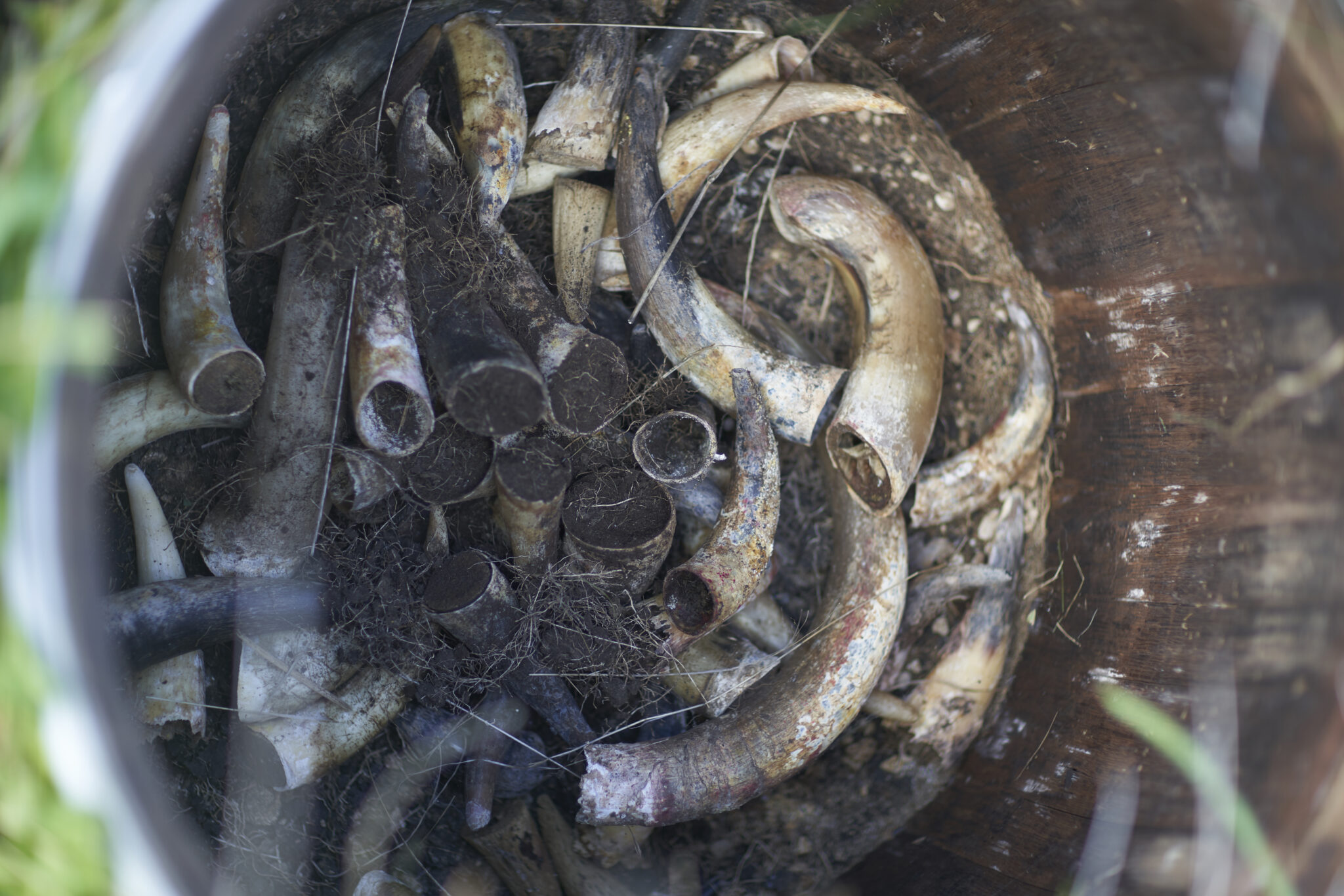
‘I’ve always been uncomfortable with organics and biodynamics because they’re 19th-century solutions to 21st-century problems. They’re basically control mechanisms for what you’re allowed to do and not allowed to do, so they become prescriptive, box-ticking exercises, but they don’t measure outcomes. I’ve seen plenty of organic vineyards which aren’t any healthier because they don’t understand what they’re trying to do; they just want to tick the box saying “organic”.’
‘I’m a bigger fan of biodynamics than I am organic, because you’re thinking of the whole ecosystem.There’s no doubt to me that the solar system and lunar calendar impact what happens on the land. I’ve seen it in the vineyard. Even in the winery – it’s very hard to get tanks and barrels of wine to settle on a full moon. I’m not religious, but I believe there’s some other force in the world, some energy pathways that we don’t understand. And lunar cycles are part of that.’
‘I cannot understand how, in 2024, so many top Burgundy producers lost so much of their crop because of ideology – being wedded to organics. It’s all very well saying, “Well, I get so much money in other years, I don’t care if I lose one in four vintages,” but it’s not good for the consumers who are having to pay more.’
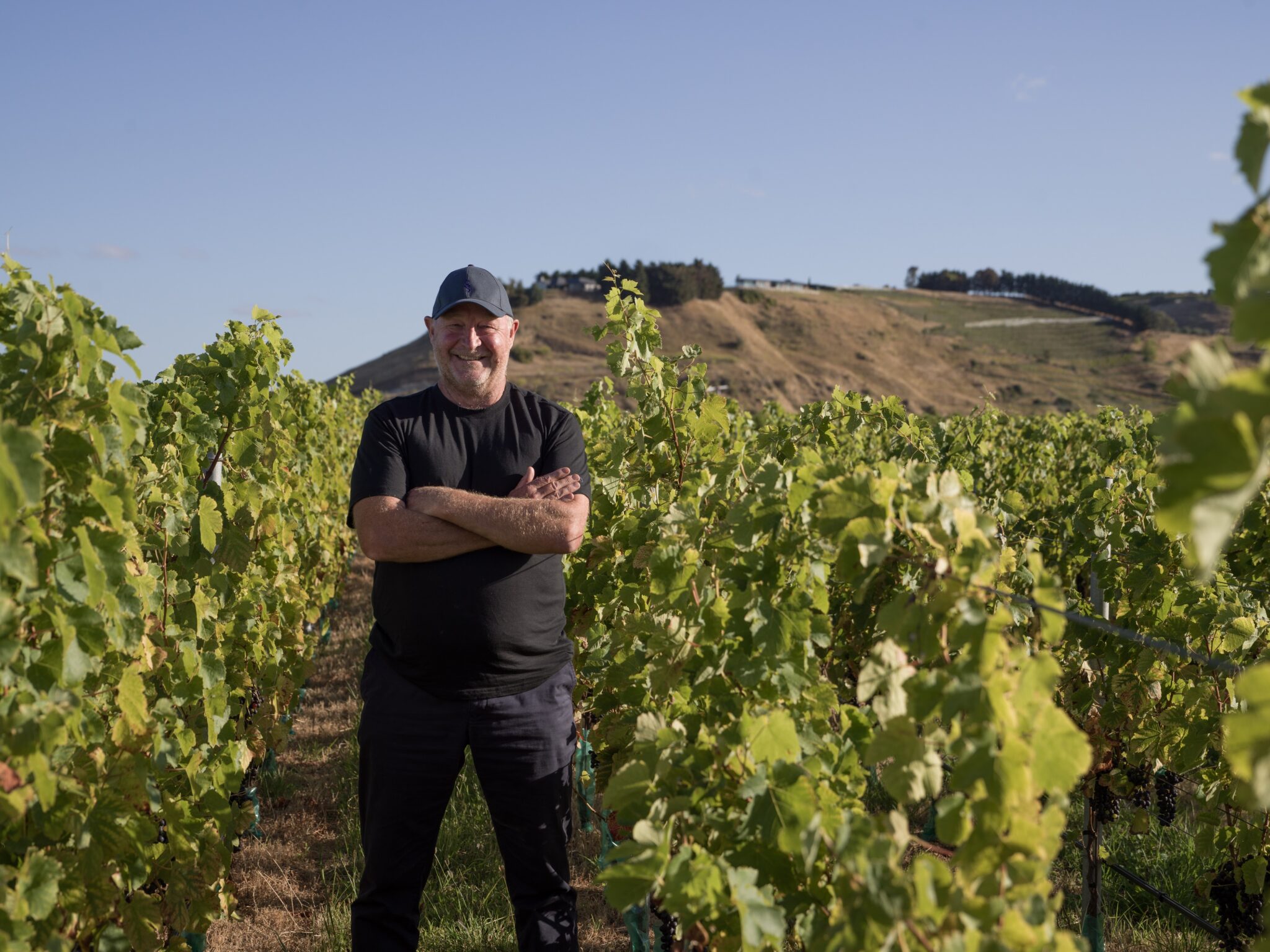
‘We prefer to think of ourselves as regenerative farmers. So we’re thinking about how we can get more carbon in the soil, to get more organic matter, more retained water and make the vines healthier. Regenerative agriculture is going to change the future of food and wine production because, all of a sudden, you’ve got science involved. The only downside is that there’s no clear definition of the term, so there’s a danger of it becoming greenwashing.’
‘The thing that farmers who practise regenerative agriculture notice more than anything is the impact on how their staff feel. They feel happier, even if they don’t know why. This one guy I was talking to, he’s a classic old-school farmer in his 60s, goes to the pub three days a week to have a few beers with his mates. I asked him what was the biggest impact, and he said, ‘Well, there’s more butterflies and more birds around, and I feel better around them.’ He almost had a tear in his eye.’
‘All my staff get very scared when I travel, because I’ve got a lot of time on a plane, and I end up sending them an email when I land. It always starts, “I’ve been thinking…”’
Not a 67 Pall Mall Member? Sign up to receive a monthly selection of articles from The Back Label by filling out your details below
TWO
MINUTES
WITH
Armand de Maigret, Screaming Eagle
UNDER
THE
SURFACE
Why the fuss over old vines?
MEET
THE
SOMM
Max Melvin