


WHAT I’VE LEARNED | Philippe Guigal
22 May 2026
Philippe Guigal is the third generation to helm the famous Rhône producer. His birth in 1975 spurred his father Marcel to plant a vineyard in his honour, La Londonne. Thirty-five years later, Philippe did the same to make the birth of his twin sons in 2010. The first wines from La Reynarde – the fourth of the famous ‘La La’ Côte-Rôtie wines – are released this year…
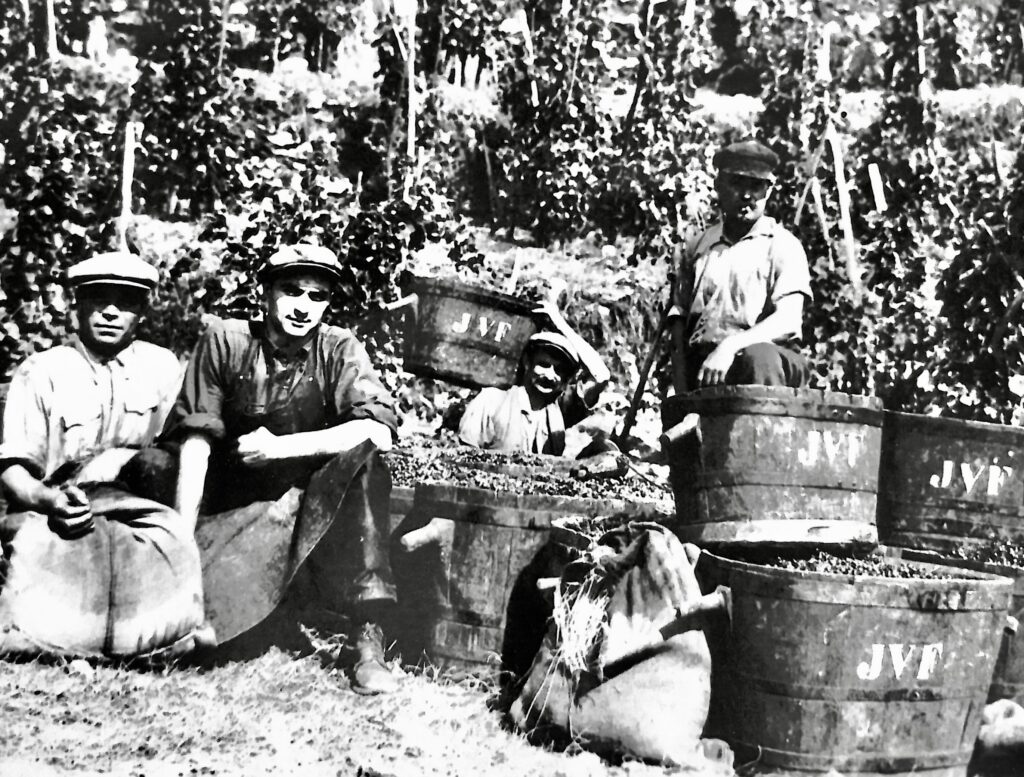
‘My grandfather didn’t spend a single day at school, and he was very proud of that. He was working in the vineyard at 14, and spent every day of his life in the vineyard from then on.’
‘My father planted La Londonne in the week of my birth. It was a brilliant idea. When I was eight years old, my grandfather would ask me if I wanted to come to the vineyards with him. I was watching cartoons on TV, so I would say no. But then he would say to me, ‘Philippe, I’m going to your vineyard, do you want to come?’ Well it’s my vineyard, so of course I did.’
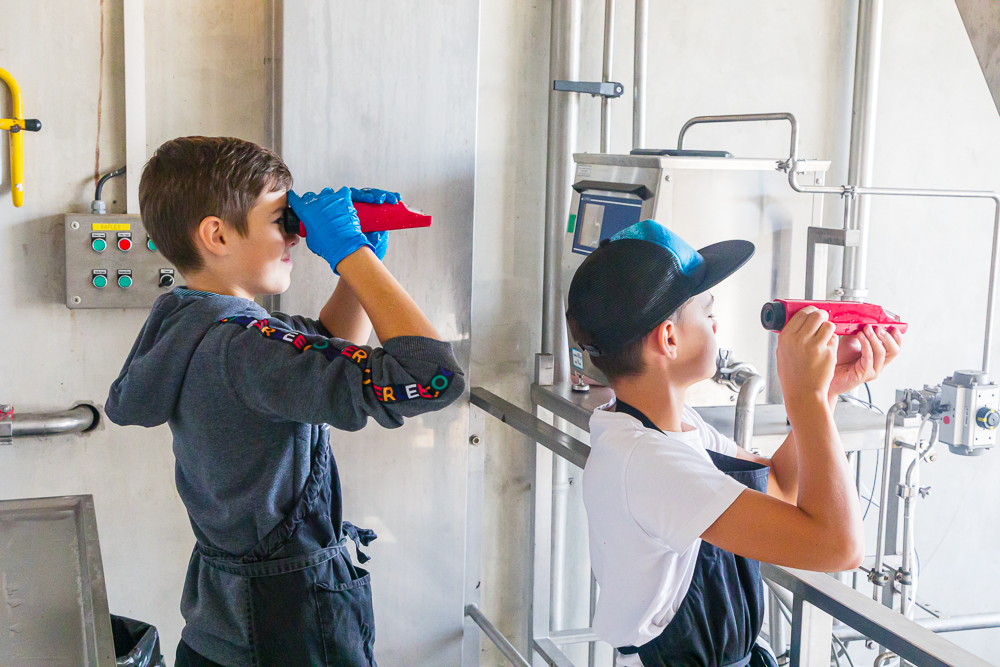
‘My sons, Charles and Etienne, have many more distractions than I had – phones, computers – but the same thing has happened to them – they have seen the Reynarde vineyard develop and have lived its life.’
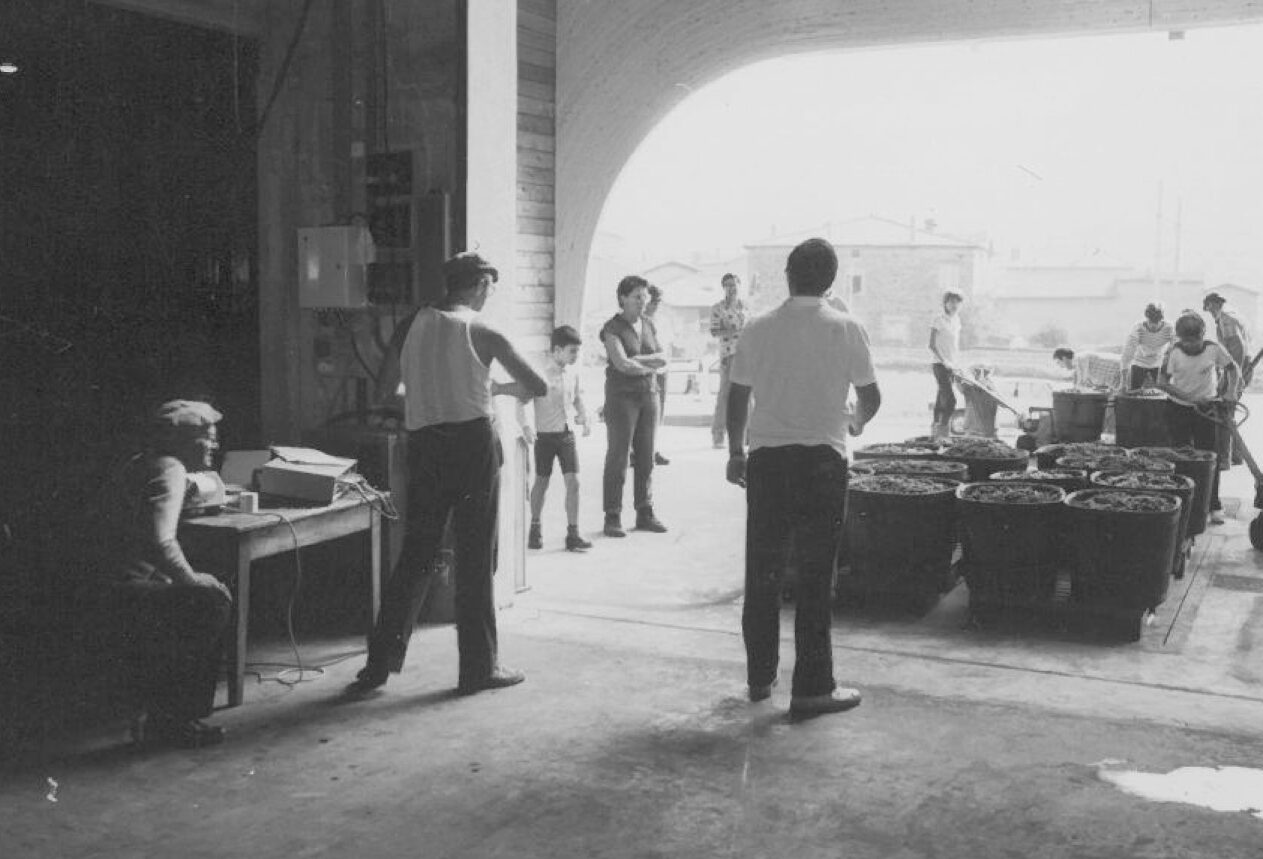
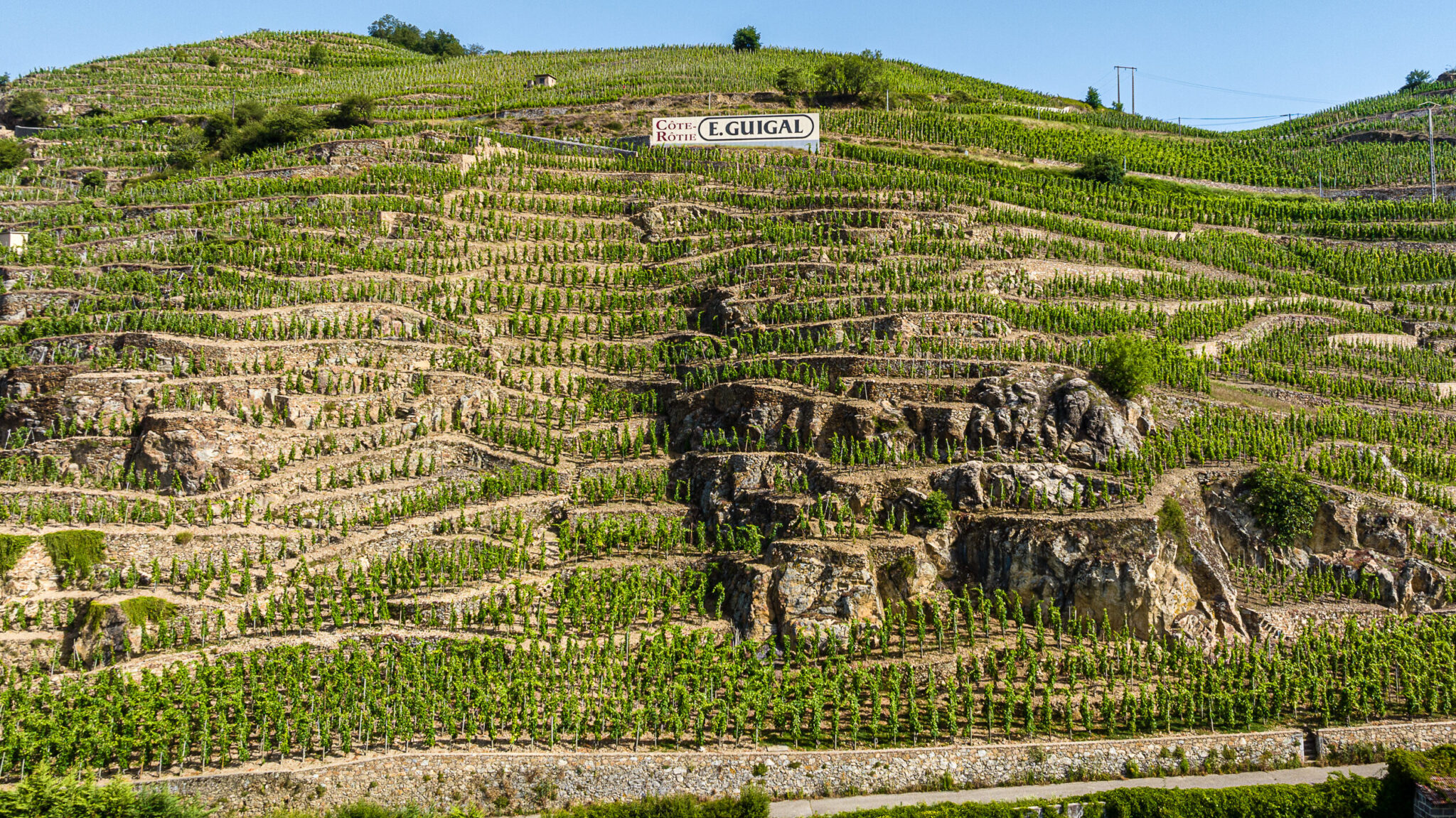
‘La Reynarde [the fourth ‘La La’ vineyard] is only 1.8 hectares but very extreme, very steep. It took 18 people five years to build the walls and roads to access it. After that, it took four years to get the planting rights from the Côte-Rôtie AOC and to plant, bit by bit. We started in 2015 and finished in 2018. The first vintage, 2022, was released earlier this year. It’s 100% Syrah, made with whole clusters without de-stemming. Why? With global warming, we need ways of retaining freshness and balance. We’ll see more of that in the future.’
‘I knew I wanted to be a winemaker from a young age – I never spent a single moment considering another profession. Now it’s my role to transmit the same passion to my boys. Both of them look like they want to follow in my footsteps, which is a great pleasure for me – and an even greater pleasure for my father.’
‘My father is still in the office every day at 4.15am. I arrive at 6.30am and he asks me why I’m so late. We are together for 15 hours a day. He’s 82, and we share the same desk – though he has never touched a computer.’
‘I feel very lucky to still be able to work with my father and learn from him. My grandfather never went to school, and then my father left school at 17 to take over from him. I was lucky to be able to do my studies, including winemaking school. Ultimately, though, you can study for as long as you want, but nothing beats experience.’
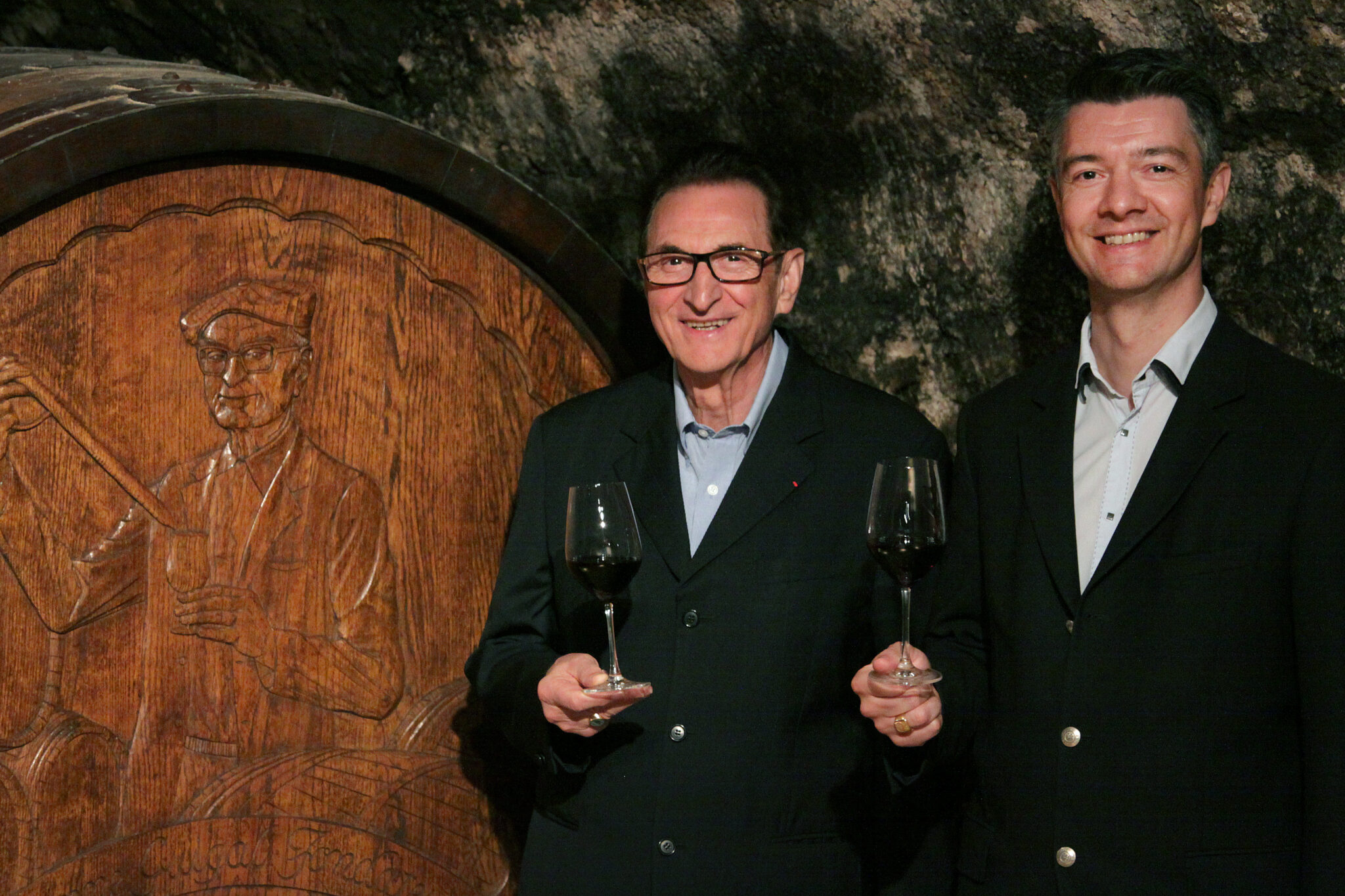
‘I don’t wake up to sit in front of my computer and do business. I wake up to make wine. My favourite part of the day is at midday, when my father and I taste. We do this every single day, including weekends. Nothing gets in the way, whatever meetings or visitors we have.’
‘I don’t like to travel for more than 10 days a year. There’s too much to do at the winery.’
‘It’s much harder to make four million bottles of our Côtes du Rhône, blended from across the region, than it is to make 5,000 bottles of La Mouline from a single great terroir. For the Côtes du Rhône, we taste around 50 samples every day, all blind, of which less than 1.5% goes into the final blend. We spend much longer on this wine than we do the La Las. It’s hard work – but that’s the secret.’
‘You need patience to make sophisticated wines with Syrah. It’s a variety that can be very fruity and enjoyable when young, but it needs time to show its depth and complexity. The La La wines are made to be drunk after 15 or 20 years. From that perspective, they are not very fashionable.’
‘People talk about climate change, and how higher temperatures are a problem in Châteauneuf-du-Pape in particular. But Châteauneuf is probably the future model of viticulture and winemaking, insofar as it’s the most liberal appellation in all of France. You have a choice of 13 grape varieties, white or red, which you can use in any proportion. That gives you great flexibility.’
‘In the Northern Rhône, we feel close to Burgundy. In the Southern Rhône, we feel closer to Languedoc or Bordeaux. The north accounts for just 9% of the volume of the Rhône – the south is 91%.’
‘We have 75ha in the Northern Rhône across all the different appellations – exactly the same as our property in Châteauneuf-du-Pape [Château de Nalys, which it bought in 2017] in the south. There, we have a team of seven in the vineyard; in the north, we have 37. That’s why we’re organic in the south, but not yet in the north. The plots are so spread out, the slopes so steep – too steep for horses. The future [for vineyard treatments] is drones.’
‘I don’t think organic viticulture always gives much to the wine, but it’s more and more important for consumers. Particularly in certain markets. In France and the UK, it’s a ‘nice-to-have’. In Scandinavia, it’s essential; the same in Canada. In the US, they don’t care at all.’
‘The future of wine is white. Inter Rhône [the generic regional body] wants to increase the proportion of white wine production in the Rhône from 8% to 15%, to make the most of that opportunity. At Guigal we are already at 25%.’
‘France is the country of wine, yet we can’t talk about it on radio or TV. That’s the real French paradox. We’re the only country in the world where you can’t show people enjoying wine. I really struggle with that.’
‘The market is difficult right now. We’re selling a lot of our more basic wines, while Hermitage, Côte Rôtie and Châteauneuf-du-Pape take more work, energy and time. People’s mindset is different these days – they have so many things going on in their heads. They feel guilty about paying good money to enjoy good wines. Plus we constantly hear that the young generation doesn’t drink wine any more; that you can catch cancer just by looking at a glass. It doesn’t make people feel great about life – so they eat and drink less and less.’
‘The worst part of my job is dealing with administrative issues. Our 2023 Côtes du Rhône is a richer vintage, and came in at above 15% ABV. So we had to do a separate blend for the UK to keep it under 15% [and avoid the higher tax bracket]. It’s a lot of effort to go to to make a wine that will taste exactly the same.’
‘Emmanuel Reynaud [of Château Rayas, who passed away late last year] was a genius. But he was very guarded. After we bought Nalys, we saw each other many times, walking the vineyards, but we never had a proper conversation. Maybe he didn’t know who I was – I dress very badly, in t-shirt and baseball cap. I look like an American tourist.’
‘I could spend a great evening dining with my colleagues in Northern Rhône. I have no competitors, only friends. That’s how it should be. I’m not convinced it’s the same in Bordeaux. A lot of the owners there don’t know each other, though the winemakers most likely do. Burgundy is probably closer to the Rhône from that perspective – people are much more connected to each other.’
‘My wife and I enjoy ballroom dancing. It has similarities to wine – it looks fun and joyful, but there’s a lot of work and technique behind it. There are no short cuts, but it has to look easy. I’m a very disciplined person, so I’m comfortable with that.’
‘People at industry tastings ask about things like PH or acidity levels. I taste these wines every day, but I often forget such facts. I prefer to talk about the culture of the wine, the landscape, the history – things that people can relate to.’
‘Wine is a cultural treasure – the vineyards, the region, the landscapes, they are all part of our culture and have been for thousands of years. I am the president of a group that is lobbying for UNESCO recognition for the northern Rhône to show that it is more than just a drink. The trouble is, the people who don’t like wine and criticise wine shout louder than those of us who enjoy it.’
Not a 67 Pall Mall Member? Sign up to receive a monthly selection of articles from The Back Label by filling out your details below
TWO
MINUTES
WITH
Armand de Maigret, Screaming Eagle
UNDER
THE
SURFACE
Why the fuss over old vines?
ON
THE
ROAD
Martijn Brouwer in Verona