


TWO MINUTES WITH | Benjamin Leroux, Beaune
22 January 2026
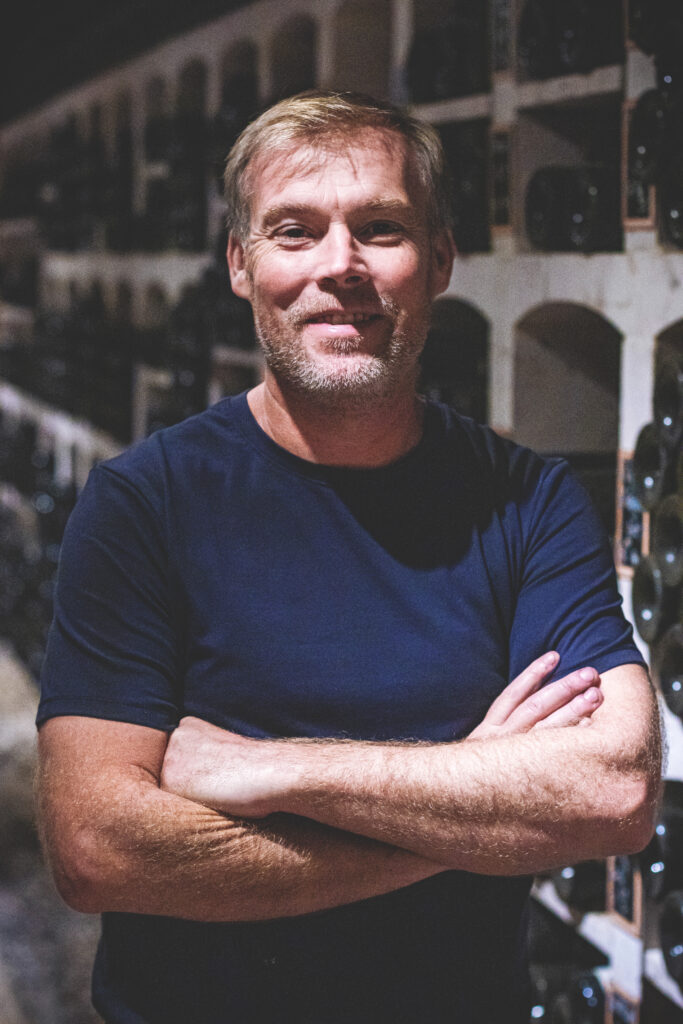
After experience at Cos d’Estournel in Bordeaux, Domaine Drouhin in Oregon and Louis Jadot in Beaune, Benjamin Leroux made his name as régisseur of Domaine du Comte Armand in Pommard. In 2007, he established a small négociant business in Beaune from where he now produces a widely acclaimed range of up to 50 different wines a year (curtailed to a mere 37 in 2024). The vineyard sources stretch right across the Côte d’Or, from Chassagne-Montrachet to Gevrey-Chambertin, comprising both purchased grapes and his own sites. All are farmed organically and biodynamically
What is your ‘last supper’ wine?
I’m very pragmatic. One day – hopefully in a long time, and quickly – I’m going to die. I’ve already told my children that I don’t want any fuss, like a big stone in a graveyard or an expensive coffin. Just a simple cremation, and do whatever you want with the ashes. But there’s one thing I do want. I told them that when they want to think about me, to go to Blagny, which is my favourite place. Not only for the wine, but the place itself. I feel so good there. I came to it late – I bought my first vineyard there in 2013. Then during lockdown, we were lucky – we could work there. But even in normal times, there’s no noise, no cars – it’s peaceful, pure pleasure. So my last supper would be a Meursault Blagny from one of my neighbours – Domaine Matrot – shared with the people I love.
Where is your dream vineyard?
I would definitely stick to Pinot. That’s the most challenging, intriguing variety, even if it’s not always successful. But when it works, it provides the strongest emotion. And maybe the challenge is part of the passion and love that I have for the variety. I would probably look to the Waipara area of New Zealand. I like the finesse and the elegance they get there, especially in the wines of Bell Hill. There’s lots of similarity with what we can achieve in Burgundy, but it’s different because there’s an extra sweetness on the fruit which we don’t have, but which is very, very pleasant.
Ultimately, though, I’m living my dream right here in Burgundy. My dream was to establish myself and be able to acquire or rent some vineyards and express myself and my ideas. But I’ve still got so much still to do. One life is not enough.
Who is your wine hero?
There’s not one single person, but maybe the Cistercians. They discovered the diversity of all the climats we have just by taste and know-how. They even kept records of picking dates etc for us to learn from. Ultimately, my heroes are all the growers who came before me, who made the vineyards what they are today. I’m able to make the wine I’m making because I work with vines that are 50, 60 or 70 years old.
In the same way, the vines I’m planting now, I will never see at their peak. I will never collect the fruit of my work. I’m fine with that, and I like to think that, even if they don’t know my name, at least one or two winemakers in the future will think about me, in four generations, and say, ‘Actually, you know, they did pretty well.’
What’s your favourite wine memory?
I was at wine school, so I had already chosen my path, and I had already tasted some great wine. But in 1993, when I was 18, I had the 1985 vintage of Roumier’s Chambolle-Musigny Les Amoureuses – simply an amazing wine. It was the first time where I had no words. Where I had a real emotion. And I thought to myself, ‘If making wine can give that type of emotion, even to just one person – woah.’
What’s the next big thing in wine?
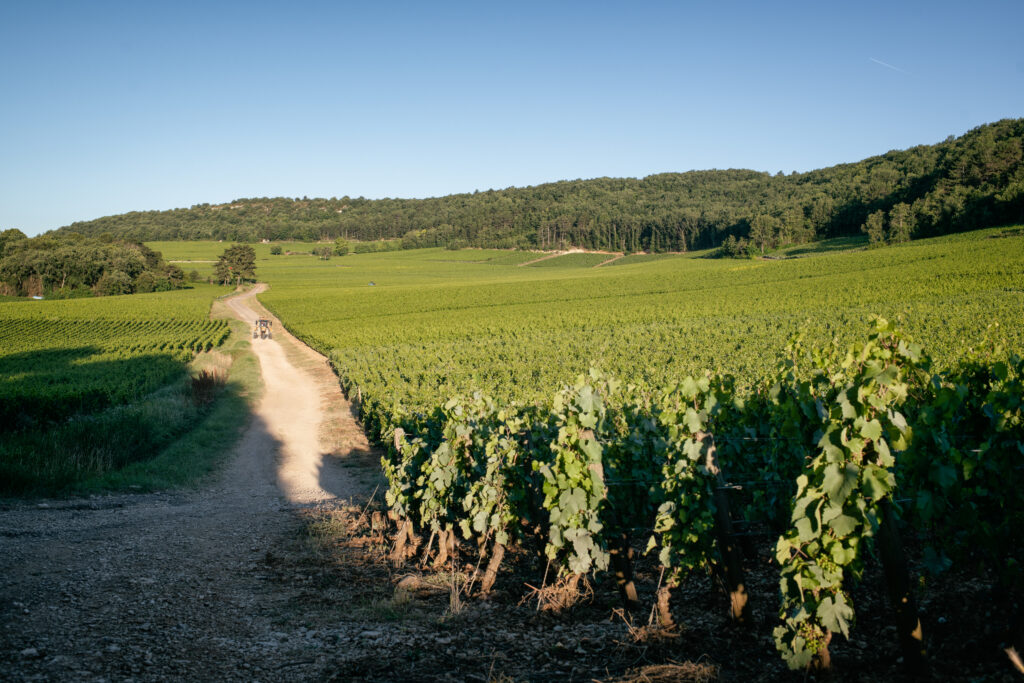
The biggest challenge facing us is definitely climate change. It’s moving fast. Until this century, there were an average of two harvests a century in August and two in October. All the others started in September. Now we’re picking in August almost every year. We’ve had evolution but now we almost need a revolution, in terms of the way we are planting. But we’re learning to adapt pretty quickly. And it has happened in the past. Look at phylloxera. The landscape we have now is very different to how it was before that. Climate change is almost the same type of challenge. Vines are very resilient and it takes time, but if we carry on the way we are, we have another 50-60 years. So we are already thinking about our next plantings, how to adapt the vine density, things like that. But still with Pinot and Chardonnay – we’re not planting Syrah just yet…
Not a 67 Pall Mall Member? Sign up to receive a monthly selection of articles from The Back Label by filling out your details below
CRITIC’S
CORNER
Burgundy 2024 – the verdict
MEET
THE
SOMM
Shirley Tan
UNDER
THE
SURFACE
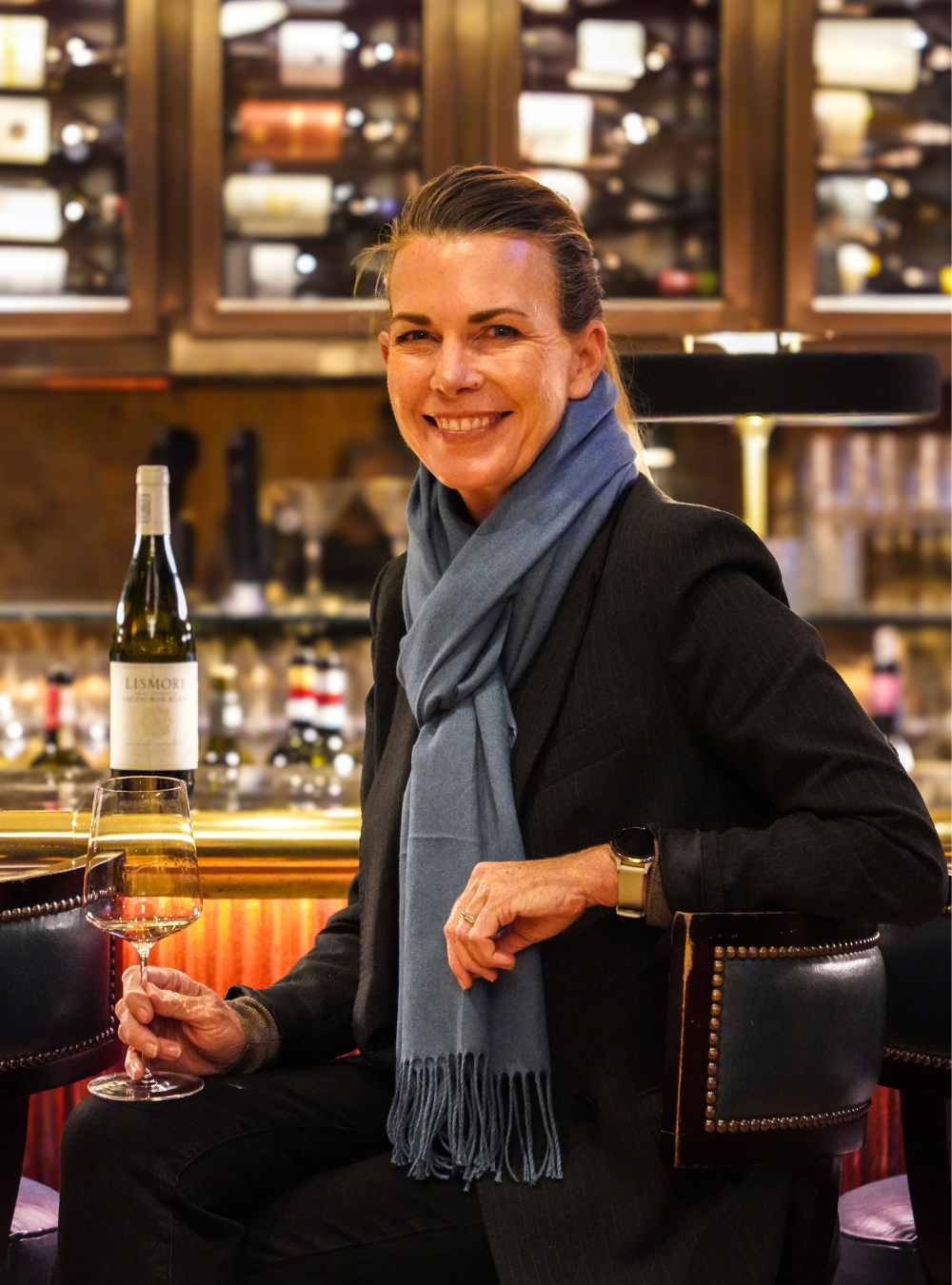
Samantha O’Keefe – Lismore Estate Vineyards