


TWO MINUTES WITH | Alice Tétienne, Champagne Henriot
19 February 2026
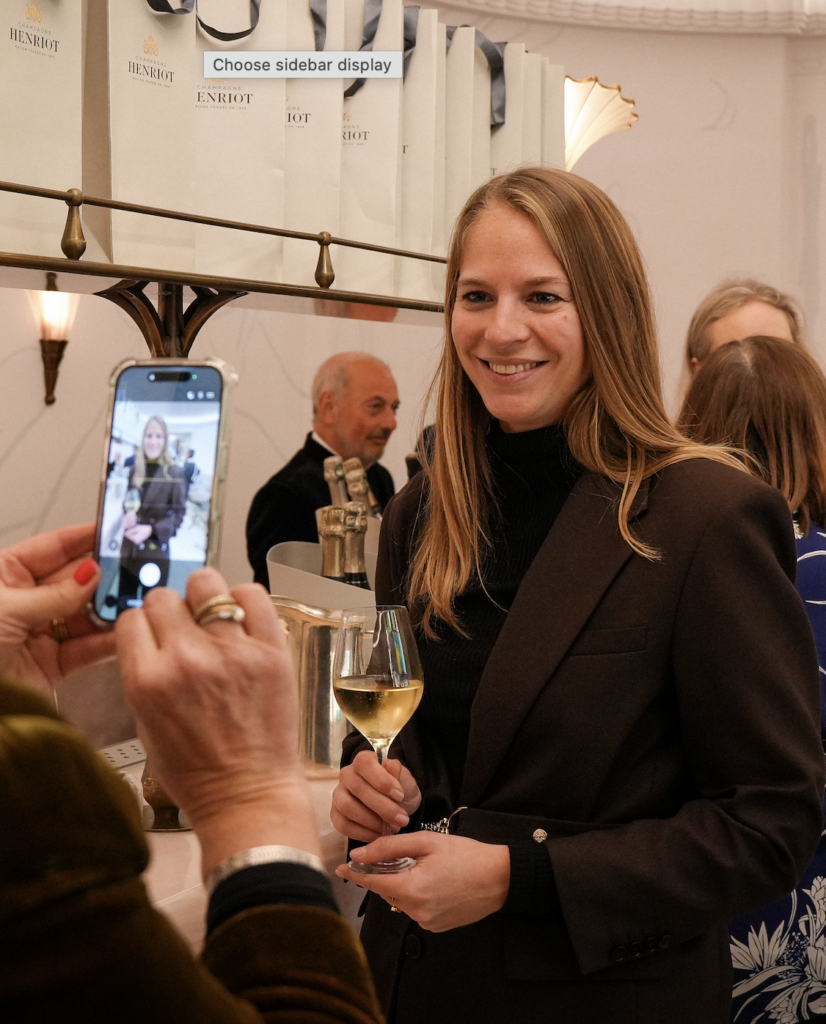
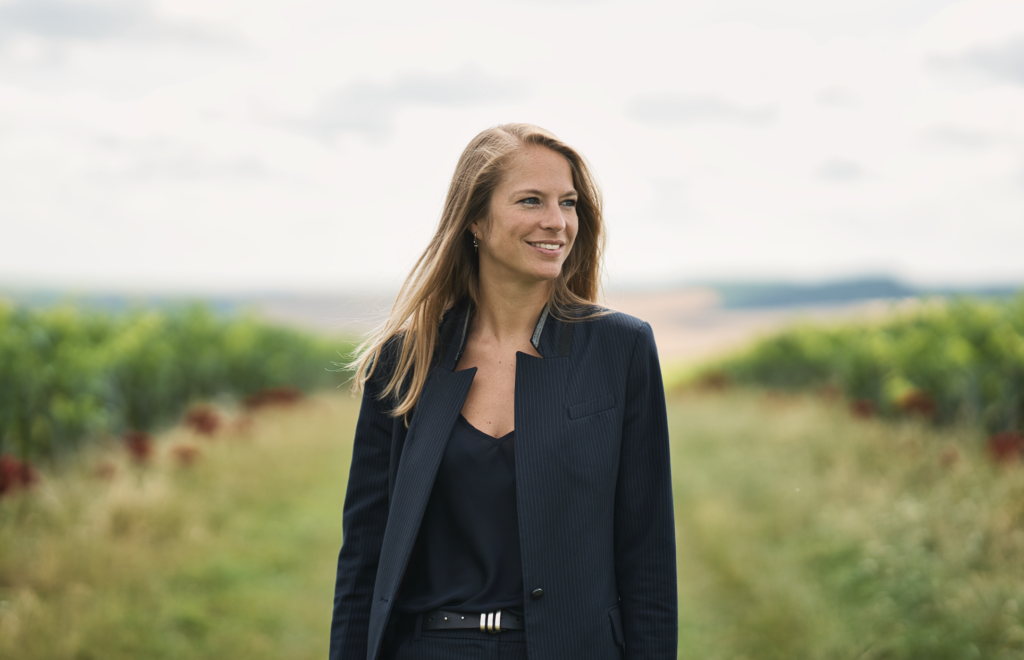
Alice Tétienne is the cellar master at Champagne Henriot, a position to which she was appointed in 2020, aged 30. Born and bred in Champagne, she previously worked at Laurent-Perrier, Nicolas Feuillate and Krug. She was in London last month to launch the 2015 vintage of Cuvée des Enchanteleurs, the rebranded Henriot prestige cuvée composed of equal proportions of the house’s six founding grand crus, and now restored to its original name after a decade known as Hemera.
What is your ‘last supper’ wine?
Château Trotanoy 2009. Before my time at Henriot, I was fortunate enough to work in Pomerol, and specifically in the vineyards at Trotanoy. It was very hands-on, manual work, which was a great experience for me, seeing that precision in the vineyard, which, until then, I’d only been familiar with in the winery. I’ve carried a deep personal emotional connection to this place ever since.
For me, emotion is the ultimate quest in wine, and Trotanoy has always moved me deeply. It embodies not just greatness in the glass, but also the philosophy of a family [the Moueix family] profoundly committed to preserving the exceptional terroirs of Pomerol and St-Émilion. Beyond that, the wines are simply extraordinary. The 2009 Trotanoy is powerful but elegant, a wine that speaks as much to the heart as it does to the intellect – exactly what I would want for a last supper.
Where is your dream vineyard?
In Piedmont – probably Barolo – among its dramatic rolling hills. I imagine vineyards shaped by incredible reliefs, with the Alps rising quietly in the background, and villages coming alive in autumn, right in the middle of truffle season, as the days grow shorter. There’s something magical about that time of year: the light is softer, the landscape turns golden, and as you walk through the villages, you catch the unmistakable aroma of truffles drifting from the kitchens and small restaurants. It’s a place where wine, food, landscape and culture are inseparable, where the vineyard doesn’t exist in isolation, but as part of a living, breathing ecosystem. That harmony, between nature, tradition and pleasure, is exactly what my dream vineyard would look like.
Who is your wine hero?
Gérard Bertrand – someone who fundamentally transformed the viticultural model of an entire region. He built, almost single-handedly, an extraordinary vineyard empire, while creating a powerful regional dynamic that benefited the industry far beyond his own domaines. But he didn’t just build successful estates – he reshaped the image and ambition of southern French wines as a whole. Thanks to this vision, the quality level of wines there has risen dramatically, and terroirs that were once little known, or not taken seriously, have been brought into the spotlight.
Also, by committing early and decisively to biodynamic viticulture, he demonstrated that a noble, virtuous approach to farming can go hand in hand with scale, consistency and international recognition. What I admire most is that he combined conviction with execution: strong beliefs, applied pragmatically, and on a scale large enough to truly change perceptions. That kind of impact is rare in the wine world.
What’s your favourite wine memory?
La Fête du Champagne in New York City, an annual gathering where Champagne comes together on the other side of the Atlantic. For an entire weekend, New York becomes a meeting point for Champagne: producers, growers, houses and passionate consumers all united around the same table. Everyone brings precious bottles, and we taste Champagnes from all styles, all philosophies, grandes maisons and independent vignerons alike, sharing wines that sometimes have travelled through decades before being opened.
What makes this moment truly special is the strength of the Champenois collective spirit. There’s generosity, curiosity, respect and a deep sense of shared heritage. The emotion is always present, carried by the wines, of course, but above all by the people who open them together. It’s a powerful reminder that Champagne is not just a wine, but a culture to be shared.
What’s the next big thing in wine?
The extreme conditions brought about by climate change. Each year, we face a new climatic variation: heatwaves, frost, drought, violent storms. These extremes are no longer exceptions; they’re becoming the norm, placing viticulture under serious threat and dramatically increasing the level of precision and commitment required from growers. We have no choice but to prepare for this reality. That means respecting nature even more, learning to listen to it, and accepting, truly accepting, that it is stronger than we are. It always has been, but today it challenges us more intensely and more frequently.
But adaptation is not only about survival, it’s also about transmission. We have a responsibility to preserve vineyards and this extraordinary heritage, and to pass it on in the best possible condition to future generations. That responsibility should guide every decision we make today. The future of wine will belong to those who are agile: those who can adapt, reinvent themselves, question their practices, and work harder than ever before, not by trying to dominate nature, but by working with it, humbly and intelligently.
Not a 67 Pall Mall Member? Sign up to receive a monthly selection of articles from The Back Label by filling out your details below
WHAT
I’VE
LEARNED
Ken Forrester, South Africa
MEET
THE
SOMM
Max Melvin
UNDER
THE
SURFACE
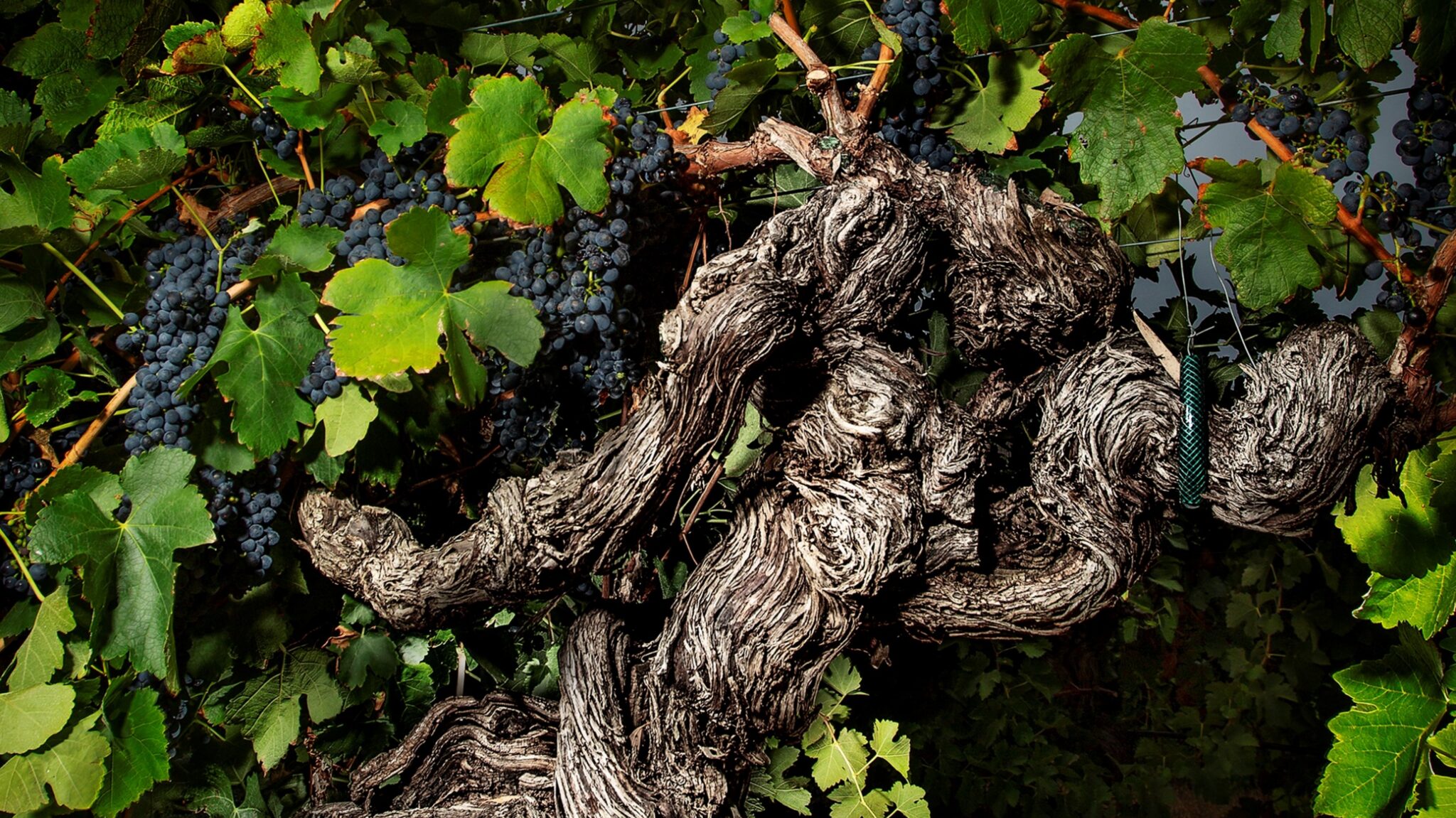
Why the fuss over old vines?