


ON THE ROAD | Suzuna Nitta in Alsace
14 May 2025
Senior Sommelier Suzuna Nitta has been with the London Club for three years. Earlier this year, she spent a few days exploring the vineyards and wineries of Alsace. Here, she picks out a few highlights and takeaways from her trip
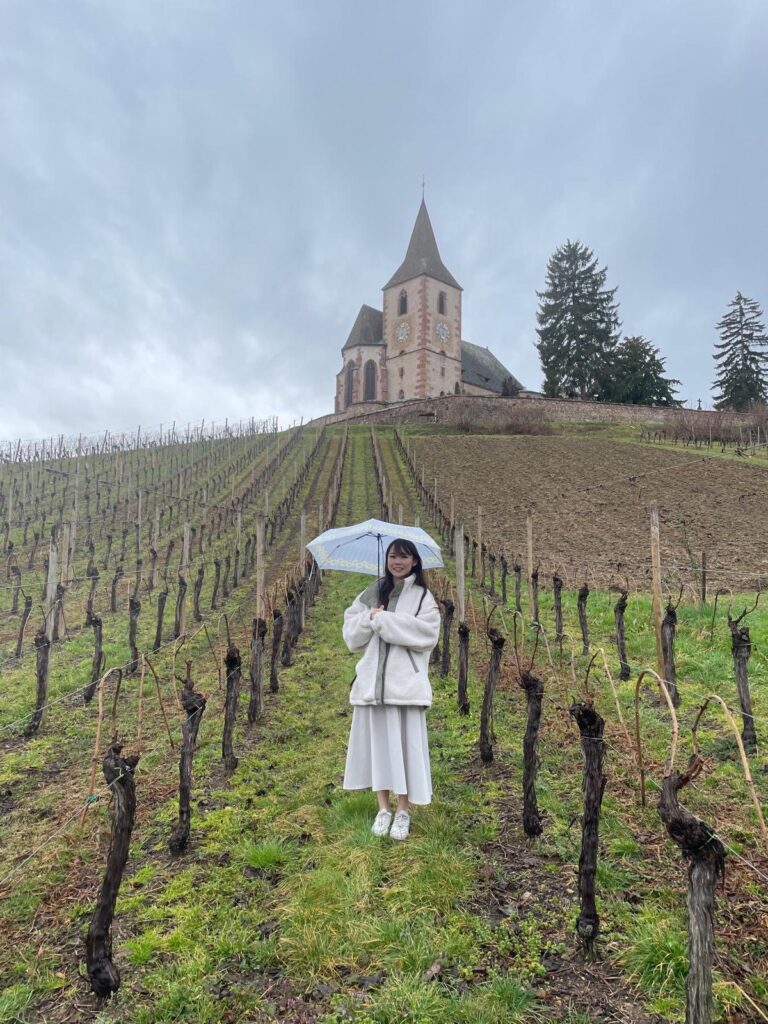
It was my first time visiting Alsace, and what struck me most was the variety of wines I encountered. Everyone knows Alsace Riesling, of course, but there was much more besides this – with Pinot Noir a real trend right now.
Among the producers I visited, Albert Mann and Domaine Weinbach are particularly focused on Pinot. The Faller family of Weinbach were fine hosts and, as well as different expressions of Riesling, it was a treat to taste their elegant yet powerful Clos des Capucins Pinot, sourced from the monopole clos in front of their house, just across from the Schlossberg grand cru. The Altenberg Pinot Noir (from the same hill as Schlossberg) surprised me, as it was even more opulent and generous than the Clos des Capucins.
I was interested to hear Faller and several other producers talk about ‘premiers crus’, which of course don’t exist right now in Alsace. But it seems like many growers would welcome such a classification to complement the existing grands crus, and make the whole system more clear and selective. Some grands crus – for example Schlossberg – are too big, and have multiple soil types, making them difficult to define stylistically. Breaking them up into grands and premiers crus would make sense, and Altenberg would be one of the candidates for premier cru, according to the Fallers. Any such initiative will take time, though, and the authorities are keen to learn from mistakes made with the grand-cru classifications, so they don’t want to rush the process.
Cremant is also a growing category in Alsace. At Valentin Zusslin, where a third of the production is sparkling, I tasted seven different examples, several from Pinot Blanc and Auxerrois (which are often labelled indiscriminately, though they are different – Auxerrois has more structure and less acidity). There’s also a surprising amount of Chasselas planted, mainly due to Alsace’s historically large Swiss population – it makes up about 12% of plantings, though that’s down from 30% in its heyday.
Hugel is also about to launch a Cremant, made from Pinot Noir, Riesling and Pinot Gris. The wine was previously made only for private consumption among family and friends, so this will be the first commercial release – 6,000 bottles, from the 2019 vintage. I was impressed – it has a very fine mousse, and was rather Champagne-like – very interesting.
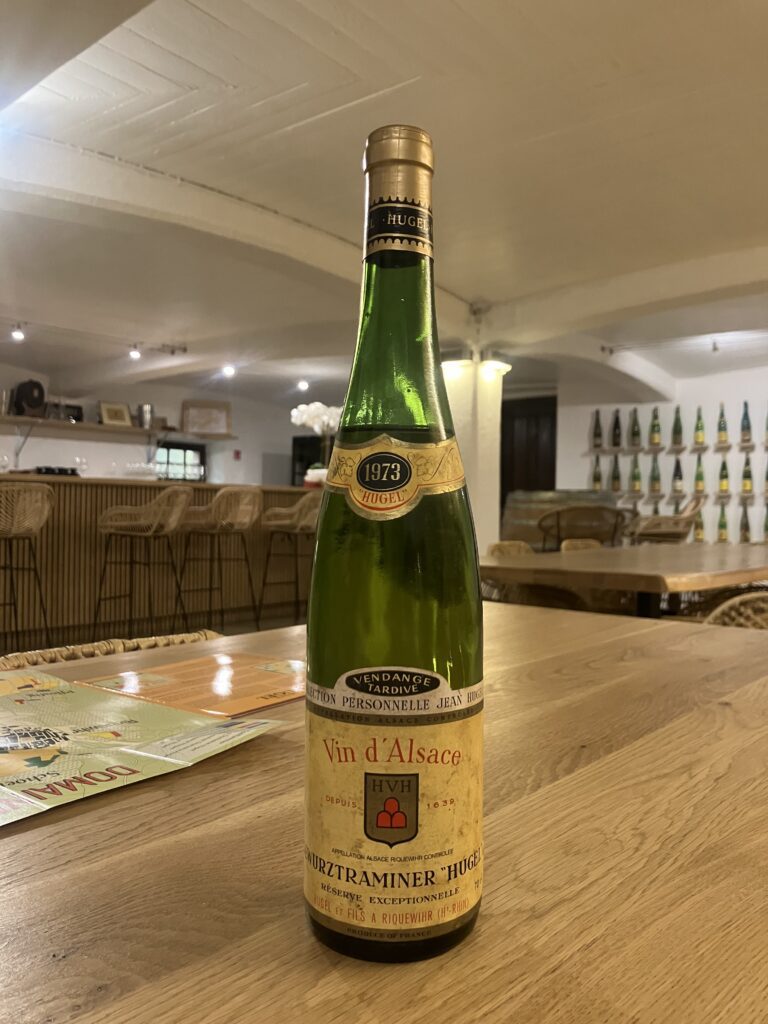
Hugel was a wonderful visit, capped off by Jean-Frédéric Hugel generously pouring me a 1973 Gewurztraminer, blind! It was an amazing wine, with minty, fresh green aromas on the nose, and a rose garden on the palate, with a rich crème brûlée finish. It wasn’t sweet, despite being labelled as a Vendange Tardive. Such wines lose sweetness over time, and in any case, as Jean-Frédéric outlined, there were no regulations as to what such terms meant in those days. Hugel claims to have been the first to put the term on a bottle, before the AOC established regulations for the term itself.
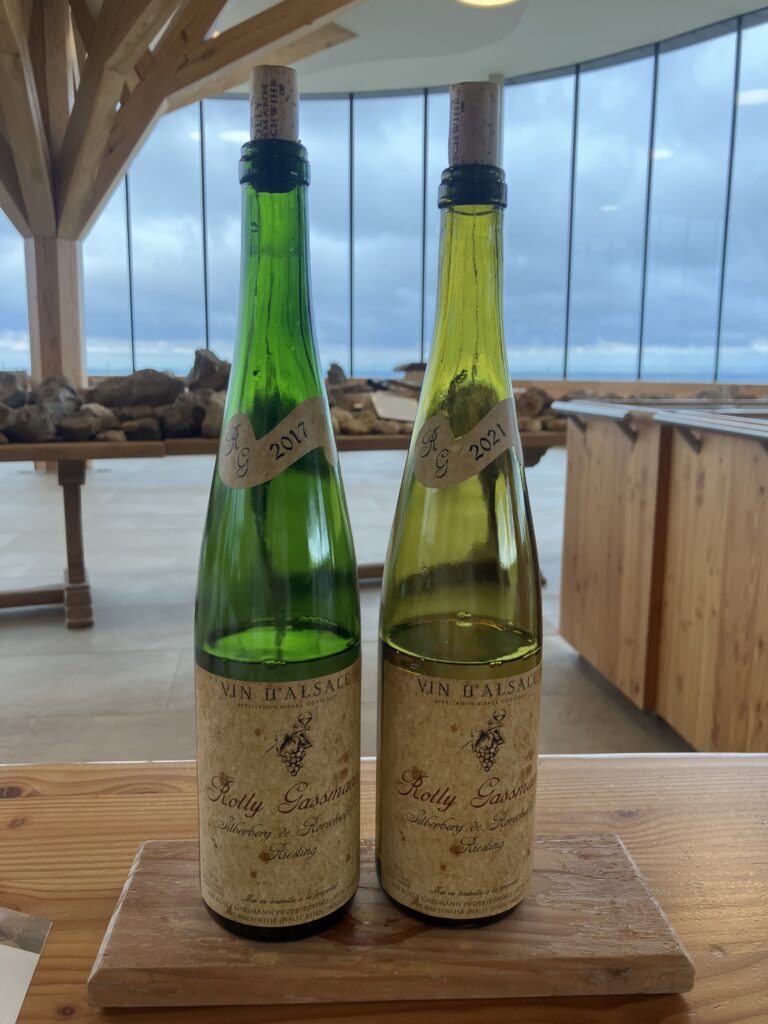
It was interesting to hear about the traditional divide between the estates owned by Catholic families– e.g. Gassmann and Hugel – and Protestant estates, such as Trimbach. The Catholic estates would traditionally harvest later to make more opulent, generous wines, with more ripeness and sugar. As they told me at Gassmann: ‘Catholics believe that wine is the blood of God, so it needs to be rich!’ Trimbach has traditionally made dry wines, but Jean-Frédéric told me about the only sweet Clos St Hune ever made – the 1989. It was a wine that was arrived at by accident when botrytis struck suddenly, and it was too late to do anything to reverse it, so they let it develop. We actually have a single bottle of the ‘89 at the London Club, if any Member wants to try it…
Not a 67 Pall Mall Member? Sign up to receive a monthly curated edition of The Back Label by filling out your details below.
WHAT
I’VE
LEARNED
Philippe Guigal
IN
THE
VINEYARD
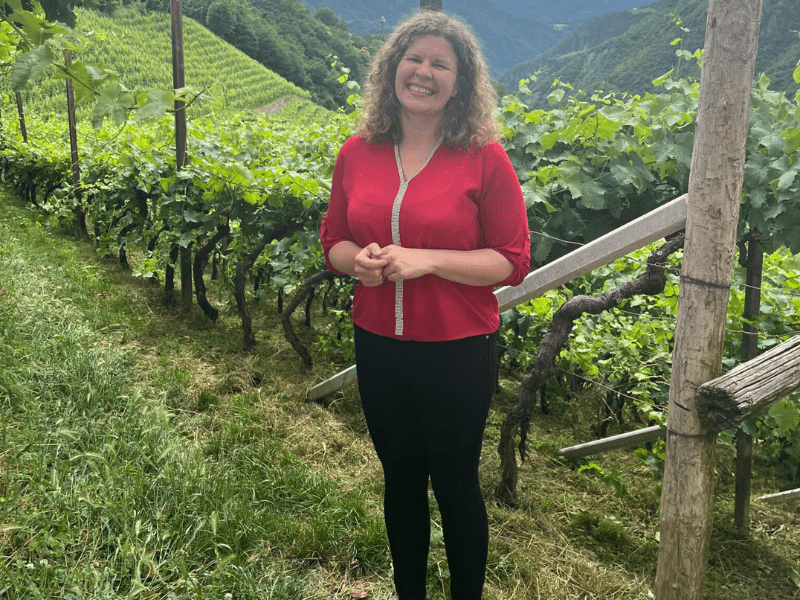
Gump Hof, Alto Adige, Italy
MEET
THE
SOMM
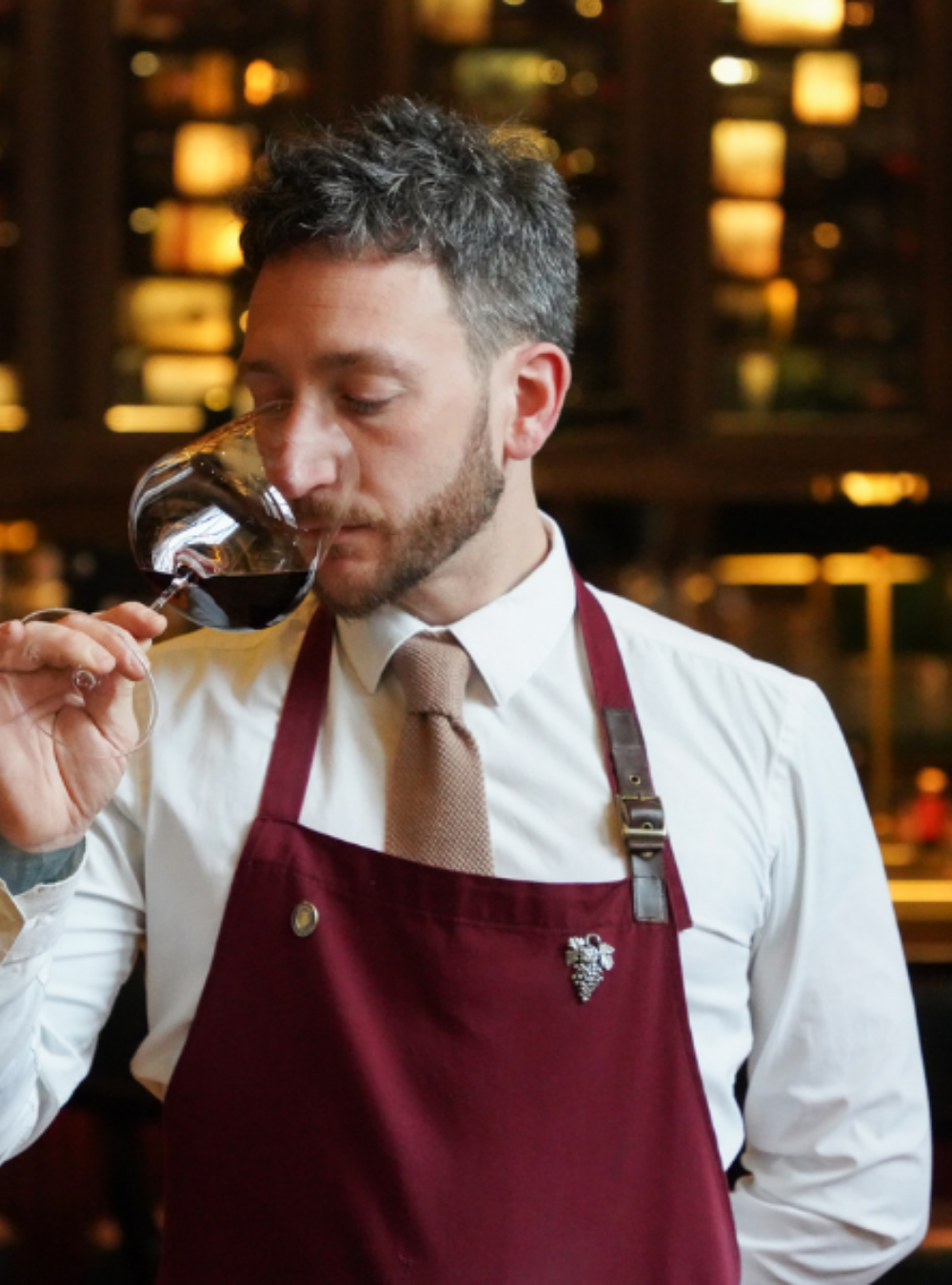
Luigi Casanova